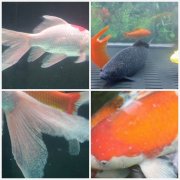
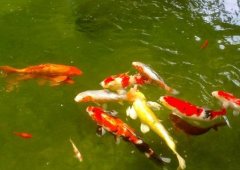
Yamabuki Ogon Koi is golden all over; daily keeping requires attention to water quality and feeding
The Yamabuki Ogon Koi is a representative variety among golden koi, named for its body color that closely resembles the golden yellow of the yamabuki flower. It originated in Japan and belongs to the metallic-scaled koi group. Its entire body is a bright golden yellow, making it very striking in well-lit water; it is one of the more popular strains among ornamental koi.
When selecting and appreciating this variety, the main things to look at are the evenness of the body color and the sense of luster. High-quality individuals are uniform in color from head to tail, with a clean head free of stray markings, neatly arranged scales, and a strong metallic quality. Its body shape and growth characteristics are similar to those of general koi; it grows relatively fast and easily reaches a good size, making it suitable both for garden ponds and for keeping in a sufficiently large aquarium.
In terms of keeping, the Yamabuki Ogon Koi has the same water quality requirements as ordinary koi. It prefers water that is rich in dissolved oxygen, clean, and stable; stocking density should not be too high, and a filtration system should be installed with regular water changes maintained. In daily feeding, high-quality koi compound feed should be the main food; when the water temperature is suitable, it can be fed normally, but when the temperature is on the low side, the amount should be reduced and feeding stopped. Appropriate lighting helps with color development and enhances luster, but during the high temperatures of midsummer, attention should be paid to shading and cooling.
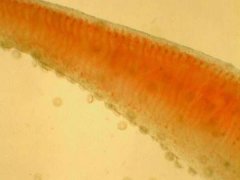
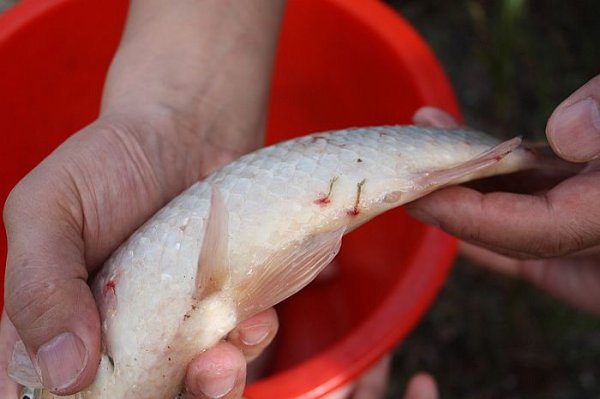
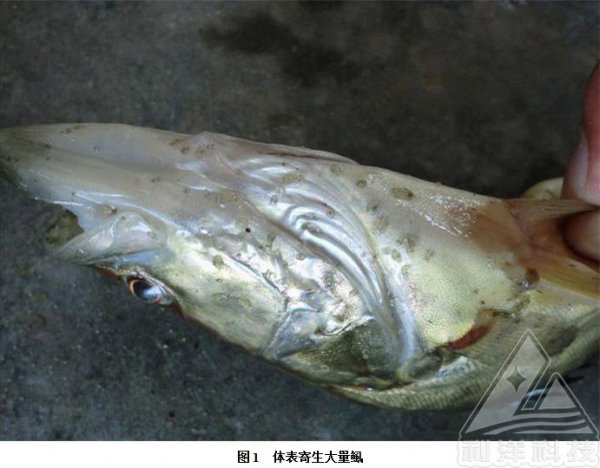
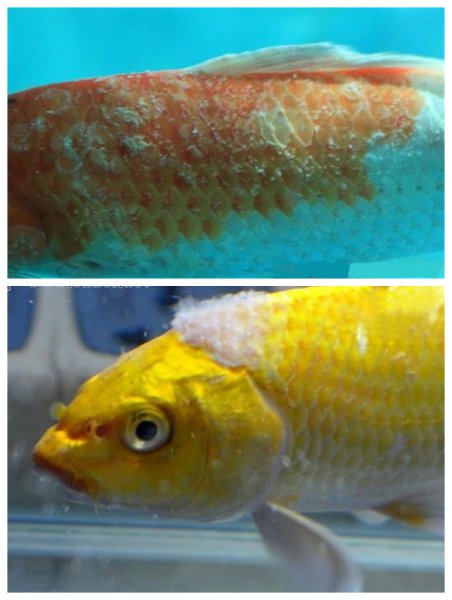
Like other koi, it is prone to parasite and bacterial problems when the seasons change or when water quality deteriorates. Common problems include white spot disease, Chilodonella, Lernaea, and others. In normal times, the fish's body surface, fins, and appetite should be observed frequently. When abnormalities such as rubbing against the tank, gasping at the surface, or congestion on the body surface are found, isolate and treat promptly and improve the water quality; this can effectively reduce losses caused by disease.
Related Reading