Characteristics and Keeping Methods of the Pale Yellow Kōhaku-Style Koi: An Introduction
The pale yellow Asagi and its close relative Shusui form one of the older lineages among koi, and the two are usually grouped together because of their close relationship. Asagi koi have a blue-gray or blue-green back, with scales arranged in a neat net-like pattern; the belly, fin bases, and cheeks often carry orange-red or crimson tones, giving the fish an overall look that is simple and dignified. Shusui, on the other hand, was developed by crossing Asagi with German carp, and most of its body surface is scaleless, with rows of large scales remaining only along the dorsal midline and lateral line, while still keeping the classic coloring of a blue back and reddish belly.
When judging this type of koi, the main things to look at are whether the net pattern on the back is clear and orderly, whether the blue base color is clean, and whether the red is distributed naturally with distinct borders. The head is best when it is pale blue or pure white, since too much mixed color lowers the quality. In Shusui, the continuity of the scale arrangement also matters; missing scales or irregular scales reduce its ornamental value.
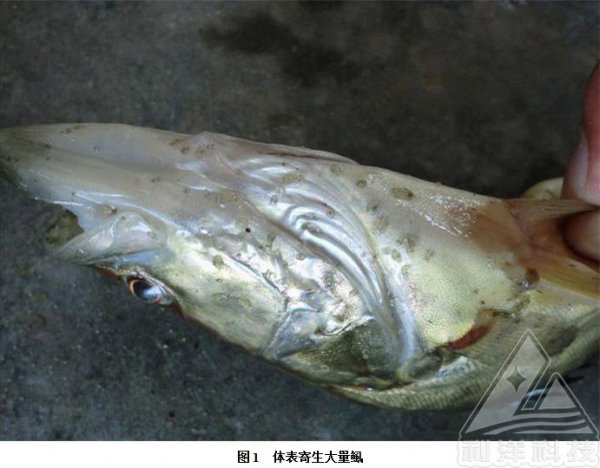
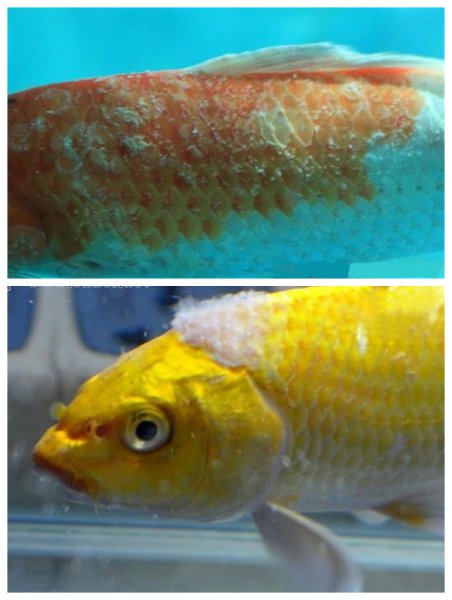
For keeping, the pale yellow Asagi and Shusui are large cold-water ornamental fish, suited to ponds or large aquariums with plenty of space. Stable water quality is key, requiring proper filtration and regular water changes to prevent leftover food and waste from accumulating on the pond bottom. Sudden temperature changes can easily trigger common diseases such as white spot disease, so the temperature difference during water changes should not be too great; before new fish are added to the pond, it is best to acclimate and observe them first, and in daily care watch for parasites or abnormal behavior on the fish body.
For feeding, special compound feed can be chosen, with green feed added in moderation; small amounts given frequently are better for digestion and growth. These koi swim in a calm manner and have plain, elegant colors, so they look especially good in a garden pond with good greenery, and they are also a variety worth collecting in many hobbyists' systems.
Related Reading