An Introduction to the Appearance and Keeping of the Beni Aki Kori Koi
The Beni Aki Kori koi is a variety within the light-yellow (Kigoi) group of koi, developed by crossbreeding German carp with light-yellow koi, and it is one of the representative color patterns of the Aki Kori (Autumn Green) series. Its main difference from the ordinary Aki Kori is that its crimson red markings are more striking, with the pale blue base color and the large red patches setting each other off, giving it relatively high ornamental value overall.
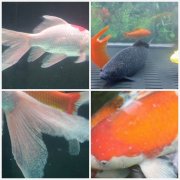
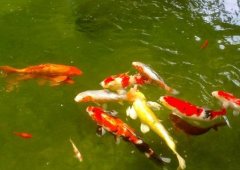
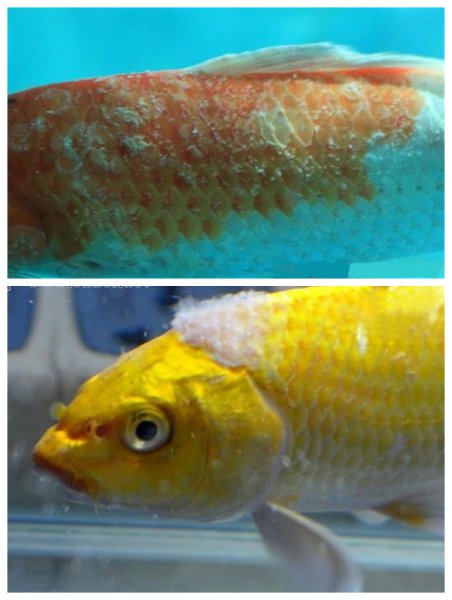
In appearance, the Beni Aki Kori koi has few or essentially no scales on its back, with smooth, delicate skin, and its back is mostly pale blue with a net-like (mesh) pattern. The crimson patches are mostly distributed near the belly, the base of the fins and the head; individuals with large, clearly defined color blocks and a vivid blue-and-red contrast are more favored by hobbyists.
As for keeping, the Beni Aki Kori koi has habits similar to those of ordinary koi and prefers water bodies rich in dissolved oxygen with clean water quality. In daily care, keep the filtration system running properly, change the water regularly, and avoid drastic fluctuations in water quality. Sudden changes in water temperature can easily cause discomfort to the fish, so when changing water, be careful that the temperature difference is not too great, and keep the environment stable.
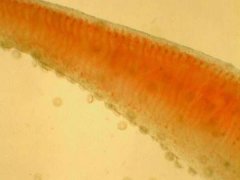
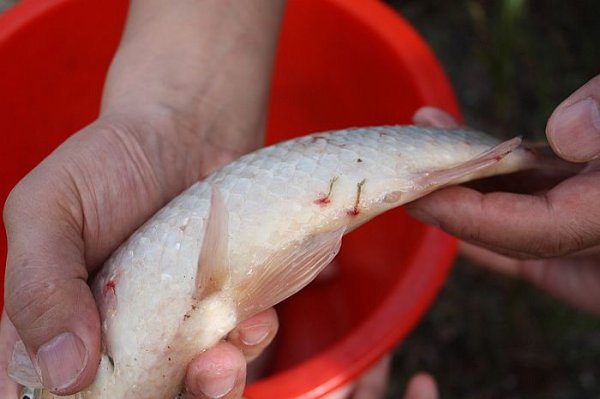
For feeding, choose a nutritionally balanced special koi feed, and stick to small amounts given frequently to avoid leftover food settling and spoiling the water quality. When the water temperature is suitable in spring and autumn, the fish have a strong appetite, so the feeding amount can be appropriately increased; when the water temperature is on the low side, feeding should be reduced. Common diseases of the Beni Aki Kori koi include white spot disease and parasitic diseases such as Trichodina and Chilodonella. In normal times, pay attention to observing the surface of the fish and its swimming state; if you find the fish frequently rubbing against the tank walls, or white spots or abnormal mucus appearing on the body surface, isolate it promptly and treat it according to the symptoms.
Because its body color is elegant yet not lacking in highlights, the Beni Aki Kori koi is suitable for keeping in courtyard fish ponds or large aquariums. Mixed with varieties such as Kohaku and Taisho Sanke, it can form a complementary color scheme, making it a fairly popular variety among ornamental koi.
Related Reading