Kurogoromo Koi: A Variety of Koromo Koi, Characteristics and Care Guide
Kurogoromo is a variety of Koromo koi. Its base color is similar to that of the Kohaku koi, with red patches distributed over a white base. Its distinguishing feature is that the red patches are covered with a layer of jet-black markings, making the red appear deeper and darker, as if dyed by ink, which is how it got its name. Along with Blue Koromo and Budou Koromo, it belongs to the Koromo group of koi. Its overall tone is calm and heavy, and it is relatively rare on the market, making it quite popular among some hobbyists.
Kurogoromo is easily confused with Showa Sanshoku. The key to telling them apart lies in the origin and distribution of the black markings: the black of the Kurogoromo covers the red patches, and large patches of black generally do not appear on the white base on their own; whereas the black markings of the Showa Sanshoku are relatively independent large blocks of pattern with a wider distribution. When selecting one, focus on the overlapping relationship between the red patches and the black markings, and then make an overall judgment based on the markings on the head and fins.
In terms of care, the habits of Kurogoromo are basically the same as those of ordinary koi, and it is suitable for keeping in a pond or large aquarium with a complete filtration system and ample space. In daily maintenance, the water quality should be kept stable, with regular water changes, but the amount changed at one time should not be too large. Feeding should be based mainly on special koi feed, at fixed times and in fixed amounts, to avoid leftover food polluting the water. Sudden changes in water temperature can easily cause stress, so pay attention to controlling the temperature difference when changing water and during daily management.
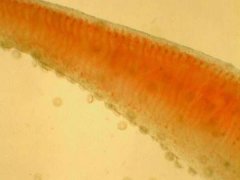
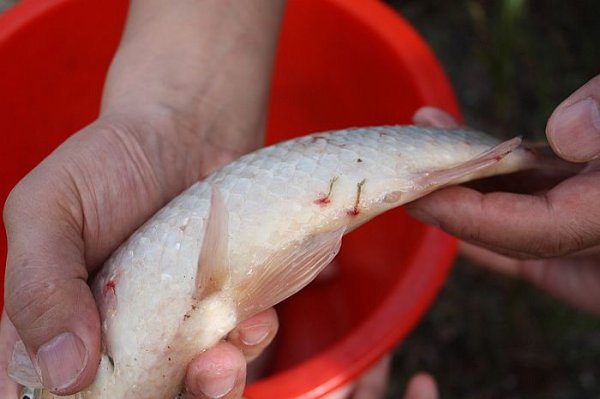
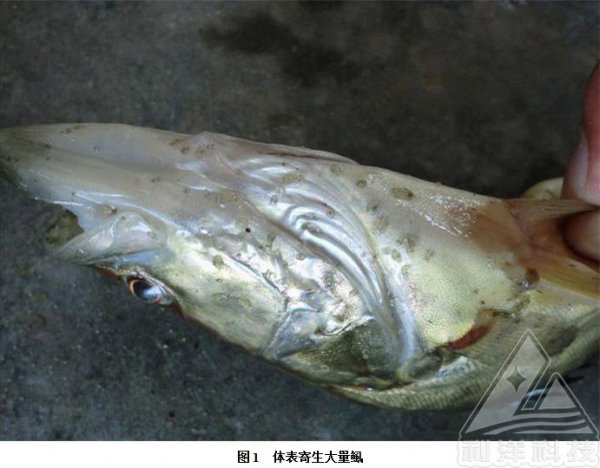
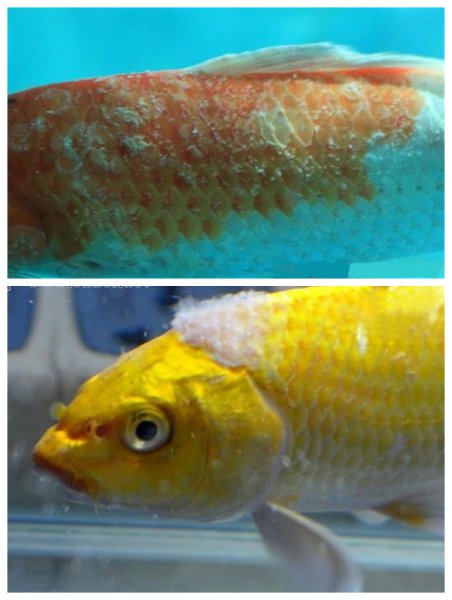
Common problems of Kurogoromo are similar to those of other koi, mostly parasitic diseases such as white spot disease, Chilodonella, and Lernaea, as well as bacterial infections, most of which are related to poor water quality or new fish not having been quarantined. Usually pay attention to the fish's swimming posture, appetite and changes in body surface. When abnormalities such as rubbing against the tank, white spots or fin rot are found, isolate and treat them in time. Persisting with water quality management and daily prevention can effectively reduce the occurrence of disease.
Related Reading