An Introduction to the Characteristics and Keeping Points of Narumi Asagi and Shusui Koi Varieties
Narumi Asagi and Shusui koi refer to two representative varieties in the Asagi system, namely Narumi Asagi and Shusui. Asagi is one of the original koi varieties, with a blue-green back and an orange-yellow belly, giving it a fresh and elegant overall tone. Among them, Narumi Asagi is the typical representative of Asagi, while Shusui is a German koi bred by crossing Asagi with German carp.
The highlight of Narumi Asagi lies in the net pattern on its back: the edge of each scale is dark blue while the center is lighter, making it look like a neat blue fishing net spread across its back. It is said that this closely resembles the traditional shibori-dyed cloth pattern of Narumi, from which its name derives. Its belly is mostly pale yellow or white, with few red markings, and in appreciation the net pattern is prized for being clear and evenly arranged.
Shusui is mostly scaleless on the body surface, with neatly arranged large scales only along the dorsal midline in front of and behind the dorsal fin and along the lateral line. Its back is blue-green and its belly is orange-yellow or red, like the autumn clear sky reflected on the water surface, hence the name. Its body color is noticeably affected by water temperature: when the water temperature is low, the blue tends to be deeper, and when the water temperature is high, the color fades, which is also something worth noting in keeping.
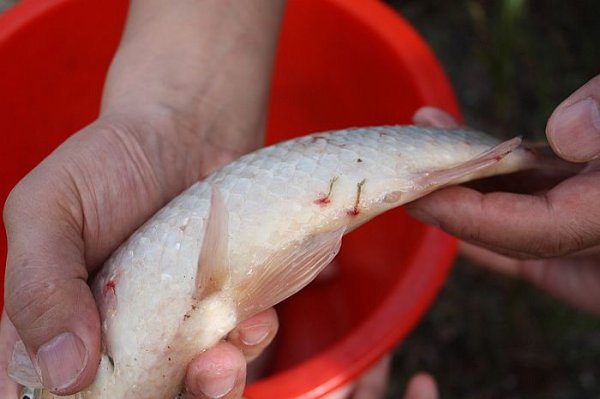
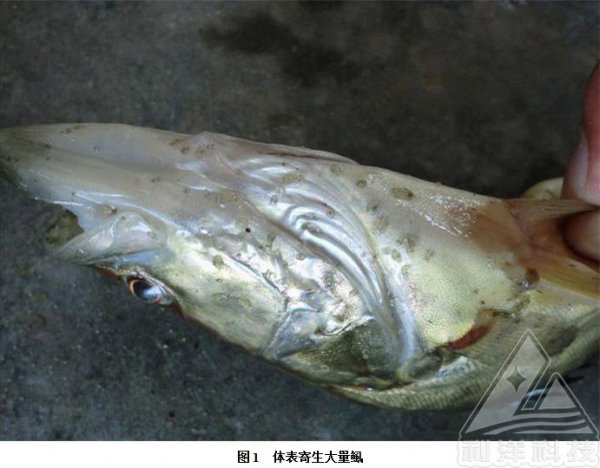
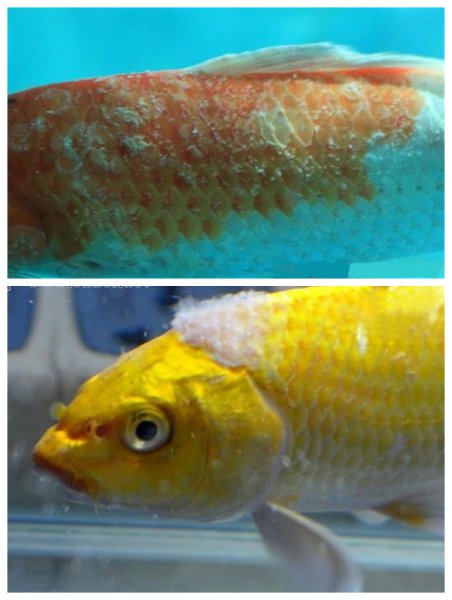
In terms of keeping, Asagi-system koi prefer an environment with sufficient dissolved oxygen and clear water quality. In summer and autumn, attention should be paid to increasing oxygen and changing the water regularly to keep the water body stable. They are omnivorous and can be fed special koi compound feed, and can also be appropriately supplemented with plant-based bait such as green vegetables. In daily care, if abnormal signs such as fish rubbing against the tank, white spots, or congested scales are found, they should be isolated and observed in time and treated according to the symptoms, so as to avoid the spread of parasitic and bacterial diseases in the pond.
Related Reading