A Detailed Guide to the Characteristics and Keeping of Peacock Hikari-utsuri Koi
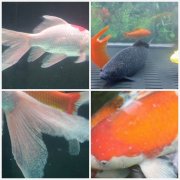
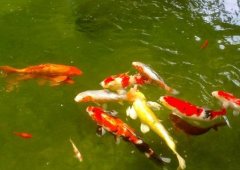
The Peacock Hikari-utsuri koi is one of the metallic-lustre types among ornamental koi; it gets its name because black net-like markings lie over a golden-yellow or silvery-white base, resembling the feather pattern of a peacock with its tail spread. Its body surface has a strong metallic quality and reflects a striking sheen in the light, making it especially striking to watch as it swims. It is generally believed that this type of fish incorporates the bloodlines of the Peacock line and the Hikari-utsuri line of koi during breeding, and it is currently one of the more closely followed ornamental varieties.
The typical Peacock Hikari-utsuri koi has a light-coloured base such as golden-yellow or platinum, often with bright reflections on the head, and its body is covered with fine black net-like markings; some individuals are also dotted with orange or red patches. When selecting one, you can focus on whether the lustre is bright, whether the net pattern is clear and even, and whether the body shape is well proportioned; all of these directly affect its ornamental value.
In terms of keeping, it is similar to ordinary koi: it prefers clean water that is neutral to slightly alkaline, and it is at its best when the water temperature is kept stable with little fluctuation, so water changes should be small and frequent. It is rather omnivorous and can be fed special koi feed with a suitable amount of vegetables mixed in; by sticking to regular feeding times and fixed amounts, the fish will both grow quickly and be less likely to foul the water. Whether kept in a tank or a pond,adequate filtration and aeration must be ensured, and for pond keeping the stocking density also needs to be well controlled.
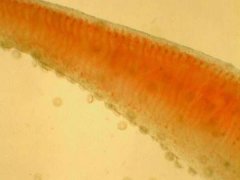
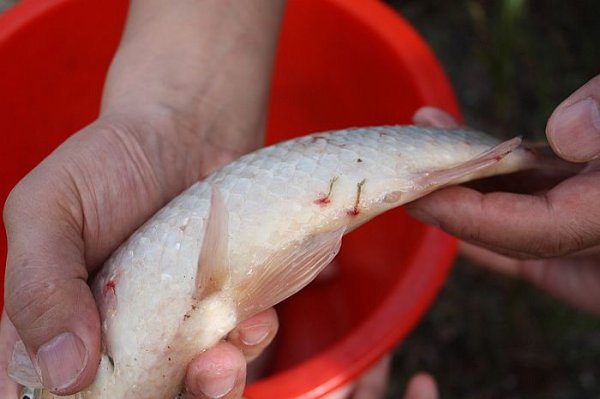
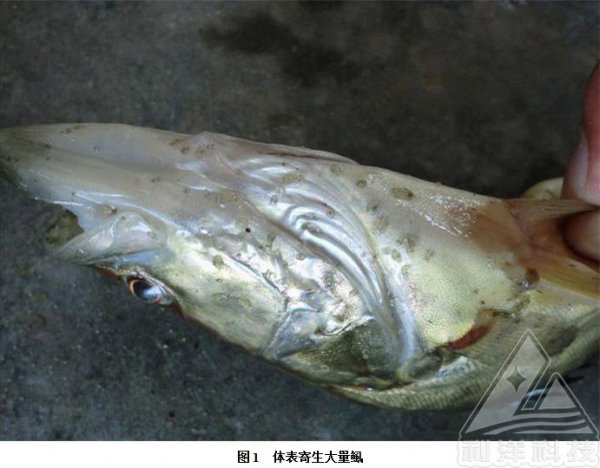
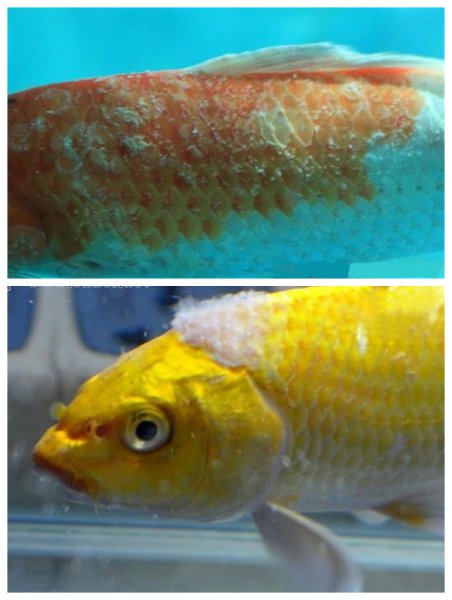
The focus of routine management is disease prevention. External parasitic diseases such as white spot disease, anchor worms and fish lice are prone to occur when water quality deteriorates, so new fish should preferably be quarantined and observed for a period before being added to the pond. Once rubbing against the tank, gasping at the surface, or white or red spots on the body surface are noticed, treatment for the specific condition should be given promptly; with frequent water changes and careful observation in normal times, the fish's condition will be much more stable.
Related Reading