Introduction to the Characteristics and Keeping Methods of the Lipstick Tricolor Koi
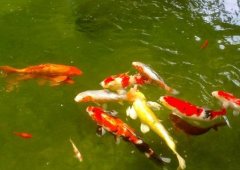
The Lipstick Tricolor Koi is a distinctive strain within the Taisho Sanke koi, belonging to the color variation of the tricolor koi group. Its base color is pure white skin, with red and black patches distributed over the body. Its most notable feature is that the red patch on the head falls right around the mouth, making it look as if it has applied a layer of lipstick, hence the name.
In terms of appreciation, the Lipstick Tricolor places emphasis on the position and form of the lip red patch. A red patch that neatly covers the snout area is considered best; one that is too large, too small, or clearly offset will affect the overall appearance. At the same time, it requires a clean white base, rich red quality, clear sumi (black) markings, even distribution of the pattern over the whole body, and coordinated patterns on the back and sides. This type of koi is relatively rare on the market and is quite popular among enthusiasts.
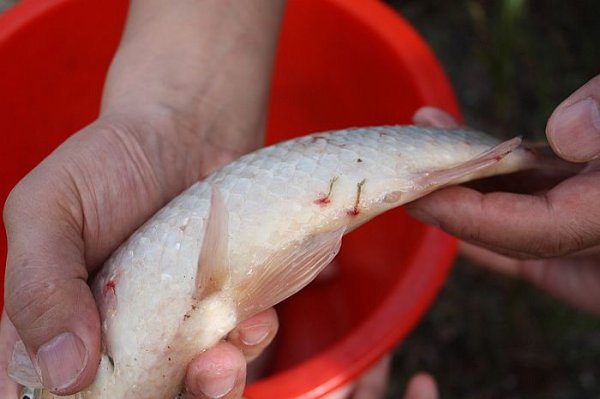
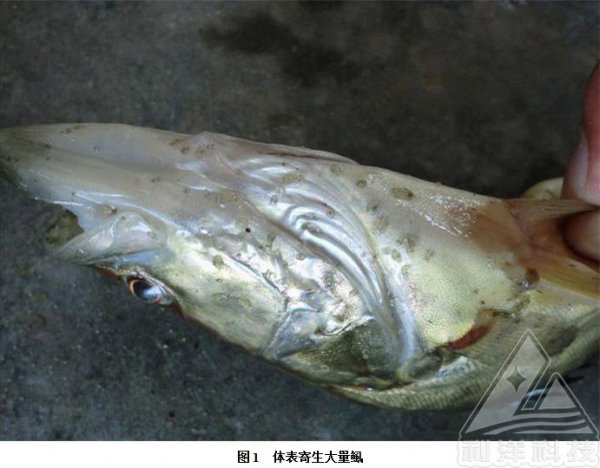
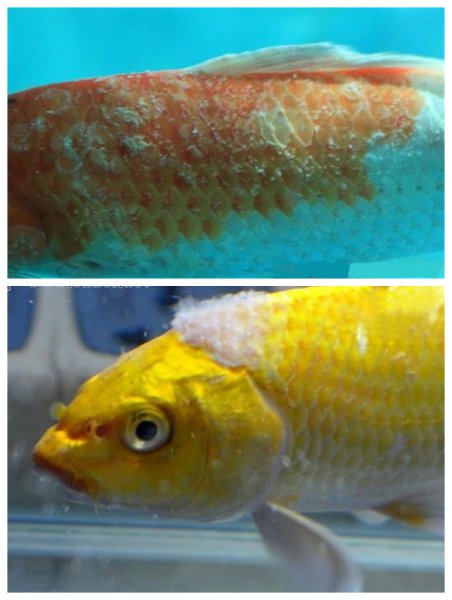
In terms of keeping, it is basically the same as other koi. The key is to maintain clean water quality and sufficient dissolved oxygen, change the water regularly, and equip a good filtration system. Feeding should mainly use specialized compound feed, with regular timing and fixed amounts; when the water temperature is low, feeding should be reduced. In daily care, pay attention to the fish's swimming posture and changes on the body surface. Once parasitic problems such as white spot disease, Chilodonella, and Lernaea, as well as bacterial infections, are found, they should be isolated promptly and treated according to the symptoms to avoid spread.
When purchasing, it is recommended to choose healthy individuals with a well-proportioned body, lively swimming, and symmetrical patterns. The markings during the juvenile stage will change as the fish grows, so patience and long-term observation are needed. The Lipstick Tricolor retains the classic charm of tricolor koi while also having the unique lip red patch as an ornament, offering high ornamental value and being suitable for keeping in courtyard ponds or large aquariums.
Related Reading