An Introduction to the Characteristics and Keeping Methods of Ginrin Koi
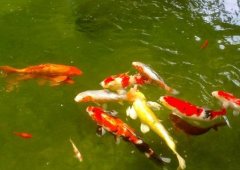
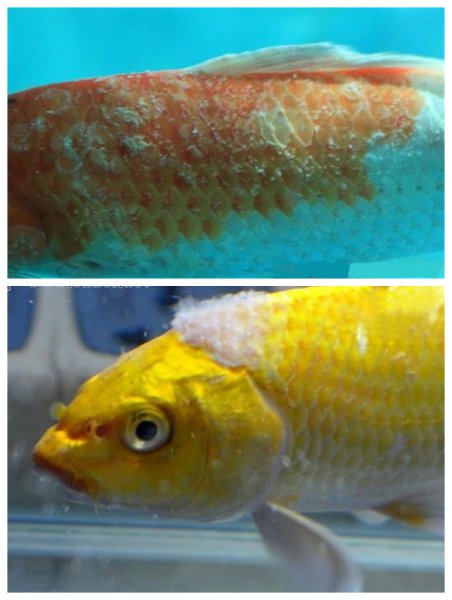
Ginrin koi is an ornamental strain of koi, named for the glittering gold and silver luster of its body scales. Under light, its scales shine like diamonds or pearls, and as the fish swims the shimmering ripples make for a particularly striking visual effect.
Strictly speaking, Ginrin is not an independent variety but a general term for a scale characteristic. It can be combined with common strains such as Kohaku, Taisho Sanke and Showa Sanshoku to form Ginrin Kohaku, Ginrin Sanke and so on. Among these, white scale surfaces tend to give off a silvery light, while red scale surfaces tend to give off a golden light; the more even and delicate the luster, the higher the quality is usually considered to be.
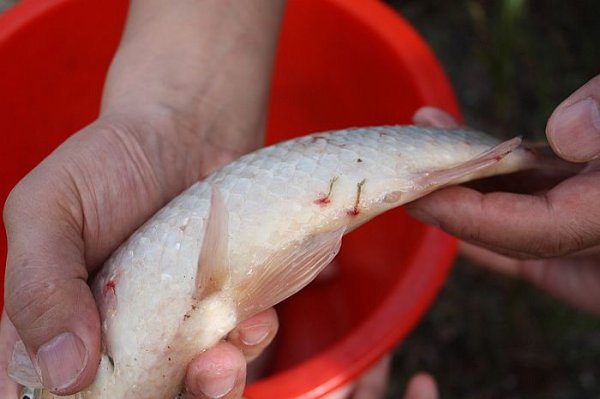
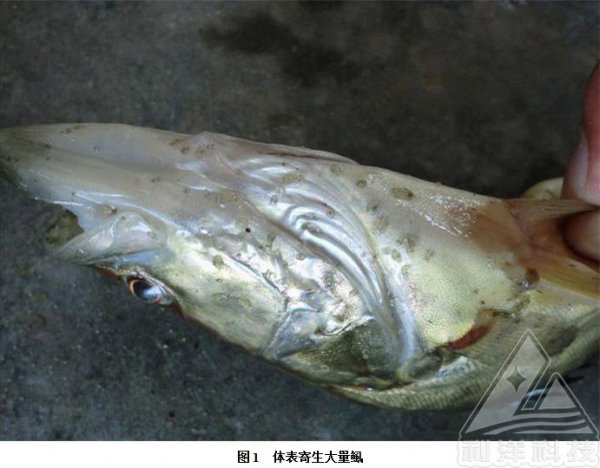
In terms of keeping, Ginrin koi have basically the same requirements as ordinary koi. Water quality is key: change the water regularly, keep the water clean and well oxygenated, and avoid sharp fluctuations in water temperature. Feeding should be done at fixed times and in fixed amounts, using a complete, nutritious specialized feed, with the amount adjusted flexibly according to the season and air temperature. In daily care, also watch the condition of the fish. If symptoms such as scraping against the tank, clamped fins, white spots on the body surface or a drop in appetite appear, promptly check for common problems such as white spot disease and anchor worms. Early detection and early treatment are best, and sick fish are best isolated for observation.
When appreciating this type of koi, lighting conditions are very important; ample diffused light allows the gold and silver luster of the scales to be fully displayed. When selecting one, besides looking at the distribution and brightness of the luster, also consider a well-proportioned body shape and clearly defined markings; individuals that are harmonious overall have higher ornamental value.
Related Reading