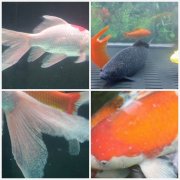
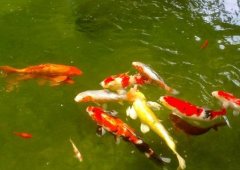
Kumonryu is a koi whose markings change with the environment, and keeping it requires stable water quality.
Kumonryu is a distinctive variety of koi belonging to the German carp line, with a smooth body surface and few scales, retaining only a small number of large scales near the dorsal ridge and lateral line. It has a black base color paired with pure white markings, creating a strong black-and-white contrast; as it swims, it looks like a dragon writhing among the clouds, which is how it got its name. The name is generally believed to come from the nickname of Shi Jin in "Water Margin," and it is very well known among koi enthusiasts.
The most appealing thing about Kumonryu is that its markings change. Water temperature, water quality and seasonal changes can all cause noticeable shifts in the distribution of black, and some individuals are more white in summer and more black in winter, or even become almost entirely pure white or pure black. This unpredictability makes the keeping process full of anticipation, and when judging them, those with vivid black-and-white contrast and bold, flowing patterns are generally considered best.
In terms of care it is similar to ordinary koi and is suitable for ponds or tanks with good filtration and ample space, and stable water quality is especially important for its condition and markings. Feeding should mainly use high-quality compound feed, with the amount reduced when the water temperature is on the low side. Water changes do not need to be too frequent; regularly replacing a small amount of new water is enough, avoiding drastic fluctuations in water quality.
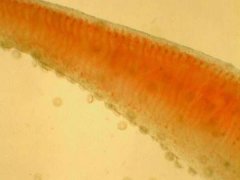
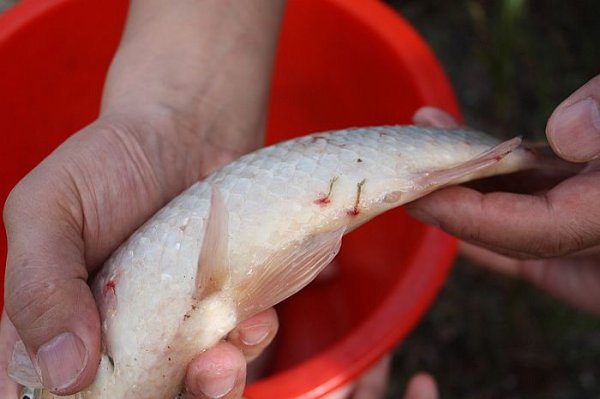
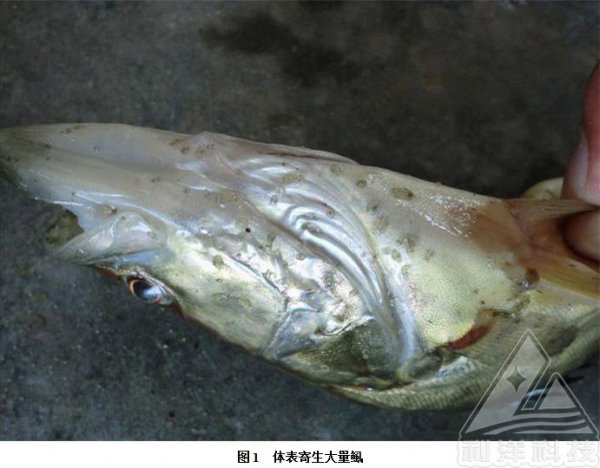
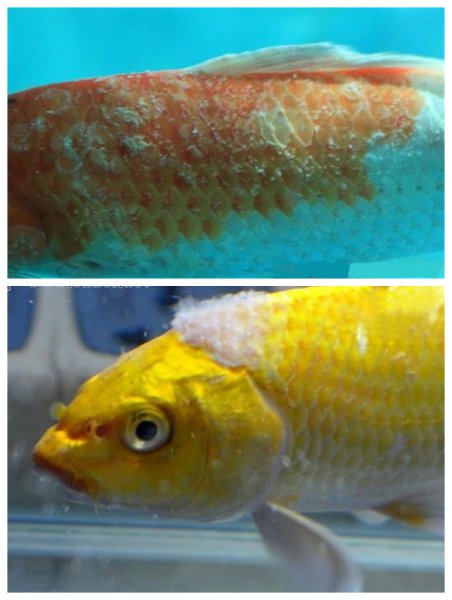
Like other koi, Kumonryu may also develop common diseases such as white spot disease, anchor worms and trichodina, mostly related to poor water quality or pathogens carried by new fish. In daily care, pay attention to the fish body and feeding condition, and if you notice flashing against the tank, a white film on the body surface, or listlessness, it should be isolated and treated promptly. Doing a good job with quarantine of new fish and keeping the environment stable can greatly reduce the probability of disease.
Related Reading