An Introduction to the Characteristics and Keeping Methods of the Modern Showa Koi
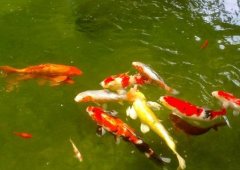
The Modern Showa koi is a style type within the Showa Sanshoku that places more emphasis on the white base, and it is a koi variety that combines the three colors of black, red, and white. Together with Kohaku and Taisho Sanshoku, it is known as one of the "Big Three" among koi, and it is deeply loved by enthusiasts for its rich, vivid coloration and striking patterns. The so-called Modern Showa usually refers to a modern ornamental type of Showa with a high proportion of white base, large areas of red patches, and crisp black markings.
In appearance, the Modern Showa has white as its base, with large and concentrated red patches, while the black markings mostly appear in stripes or blocks distributed across the shoulders, back, and sides of the body, giving the overall tone a bright and lively feel. Compared with the traditional Showa, the amount of black on its body is noticeably reduced, and the black markings on the head are also more restrained; the red-and-white pattern is closer to the fresh, clean feel of a Kohaku, while still retaining the layering and three-dimensional quality that a three-color koi should have. When appreciating it, attention is generally paid to the cleanliness of the white base, the edge quality of the red patches, and whether the distribution of the black markings is harmonious.
In terms of keeping, the daily management of the Modern Showa is basically the same as that of other koi, with the key point being to maintain stable water quality. Ponds or aquariums need to be equipped with a good filtration system, with regular water changes and timely removal of leftover food and feces, and water temperature fluctuations should not be too great. In daily feeding, a nutritionally balanced diet, with an appropriate supplement of color-enhancing ingredients, helps keep the red and white colors vivid, but the amount fed must be controlled to avoid overfeeding, which can lead to deterioration of water quality.
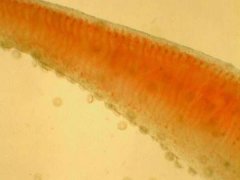
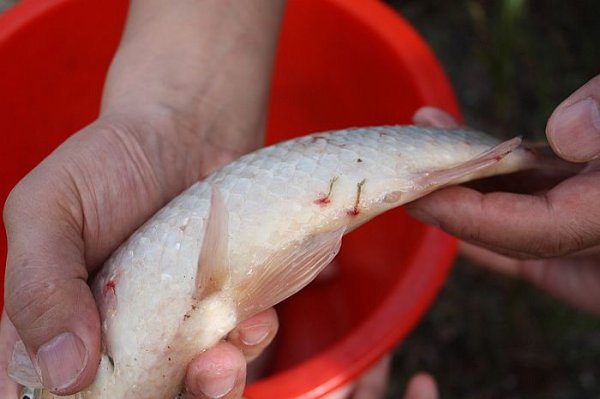
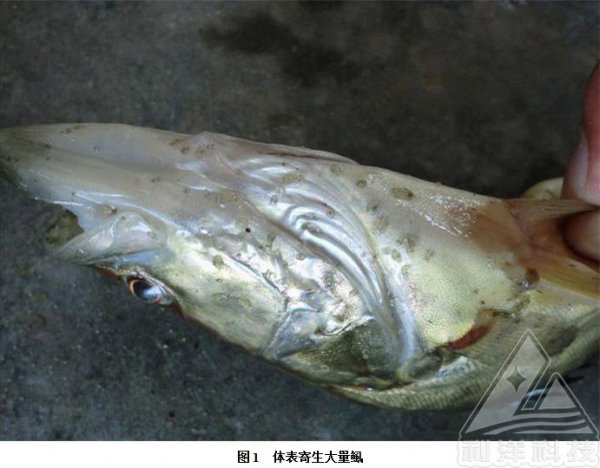
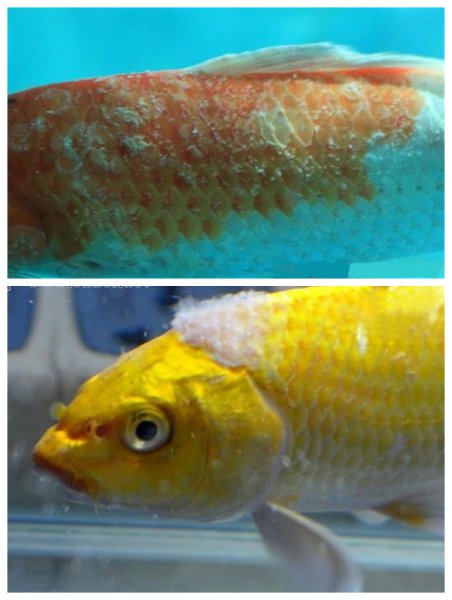
In terms of disease, the Modern Showa may likewise suffer from common parasitic diseases such as white spot disease, anchor worms, and trichodina, while bacterial diseases are also mostly caused by poor water quality. Normally, if abnormalities such as fish rubbing against the tank, gasping at the surface, clamped fins, or white spots or a white film on the body surface are found, they should be isolated for observation and treated according to the symptoms, while in daily care the main preventive measures are stabilizing water quality and reasonably controlling stocking density.
Related Reading