Two-segment red-and-white koi have two patches of red, and keeping them requires attention to water quality
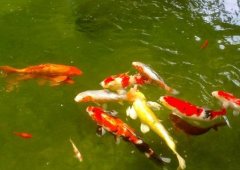
The two-segment red-and-white koi is a classic pattern type among red-and-white koi, referring to individuals with two patches of red on a white base; these red patches are commonly called hi-plates in appreciation circles. Red-and-white koi is regarded as the foundational variety of koi appreciation, and enthusiasts often say that koi appreciation begins with red-and-white and ends with red-and-white. Because the number of hi-plates is moderate and the layout is clean and neat, the two-segment red-and-white has always been a favorite type among keepers.
Judging the ornamental value of a two-segment red-and-white depends mainly on the distribution and texture of the hi-plates. Ideally, the two hi-plates are similar in size and echo each other in position, with one generally located from behind the head to the dorsal fin area and the other near the caudal peduncle, with the overall proportions harmonious. At the same time, the red should be deep and even, clearly separated from the snow-white base, and the white base should be clean with no stray color. If the hi-plates are too small, scattered, or blurry at the edges, the ornamental quality will drop noticeably.
In terms of keeping, the two-segment red-and-white, like other koi, is relatively sensitive to water quality. Both ponds and aquariums need a complete filtration system to keep the water clean and dissolved oxygen sufficient. Water changes should be small and frequent, avoiding major fluctuations in water quality and temperature. Feed a balanced specialized diet, stick to regular feeding times and fixed amounts, and adjust flexibly according to changes in water temperature and the fish's appetite.
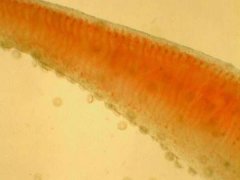
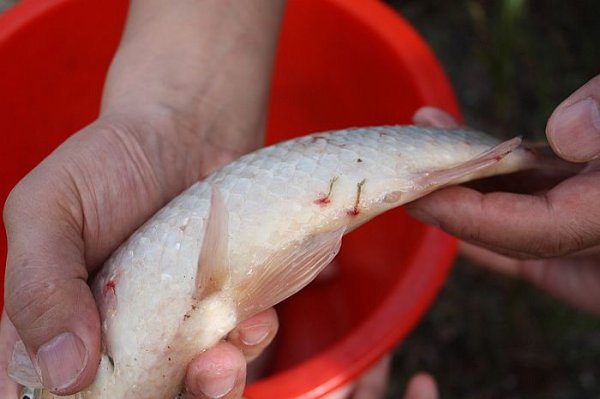
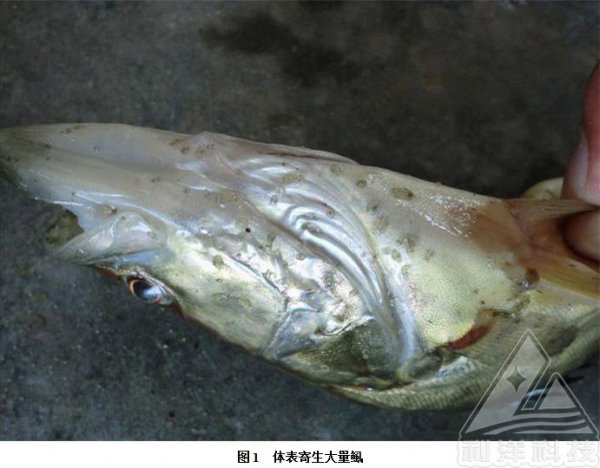
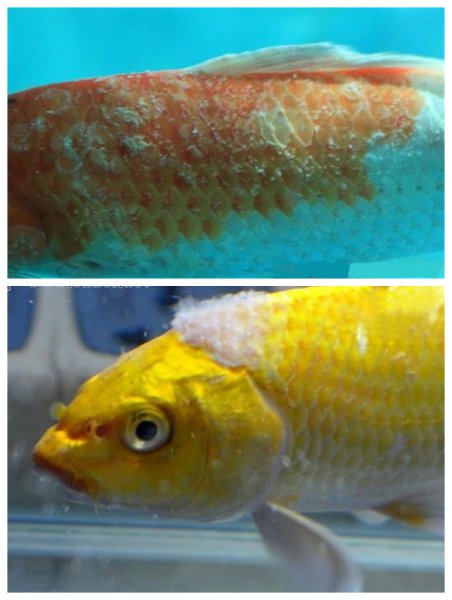
In daily management, disease prevention should also be taken seriously. Parasite problems such as white spot disease, Chilodonella, Trichodina, Lernaea, and fish lice are relatively common in koi. Normally, observe the fish's swimming posture, feeding condition, and body surface changes frequently, and deal promptly with situations such as scraping against the tank, gasping at the surface, or abnormalities on the body surface. When introducing new fish, isolate and observe them for a period first, which can reduce the risk of cross-infection.
Related Reading