An Introduction to the Characteristics and Keeping of Taisho Sanke Koi
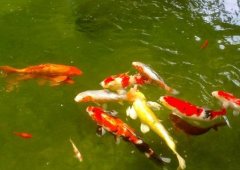
Taisho Sanke koi is one of the most representative varieties of koi, and together with Kohaku koi and Showa Sanshoku koi it is known as one of the Gosanke, the big three. It gets its name because it was bred and standardised during Japan's Taisho era; its base colour is white, with red patches and black (sumi) markings distributed over the body, and the three-colour combination is highly ornamental. Compared with Showa Sanshoku, Taisho Sanke is mainly white-based, and the black markings are mostly dotted between the red patches or on the upper part of the body.
When selecting or judging Taisho Sanke koi, the main things to look at are the quality and distribution of the three colours. The base colour is best when it is snow-white and clean, the red patches should be deep and bright with clear edges, and the black markings should be jet-black and glossy, moderate in size and evenly distributed overall. Note that the black colour will increase or decrease with the age of the fish and with changes in water temperature and water quality, so it is normal for the black markings to be unstable at the juvenile stage.
As for keeping, the habits of Taisho Sanke koi are similar to those of ordinary koi; they like water that is rich in dissolved oxygen and clean. In daily care, keep the filtration system running steadily, change the water regularly, and avoid drastic fluctuations in water quality. Feeding should mainly consist of high-quality compound feed; increase the amount appropriately when the water temperature is suitable, and reduce feeding when the water temperature is low, so as to avoid digestive problems in the fish.
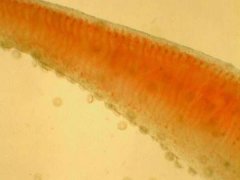
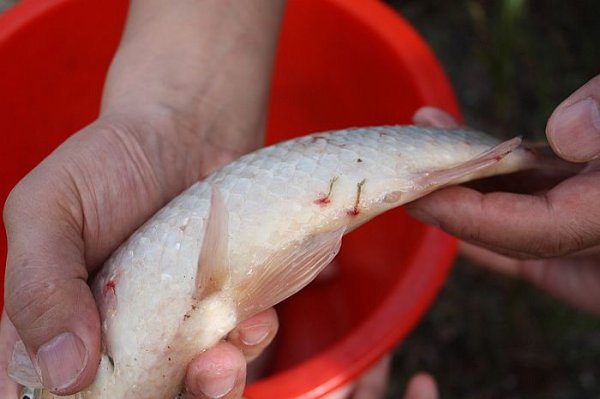
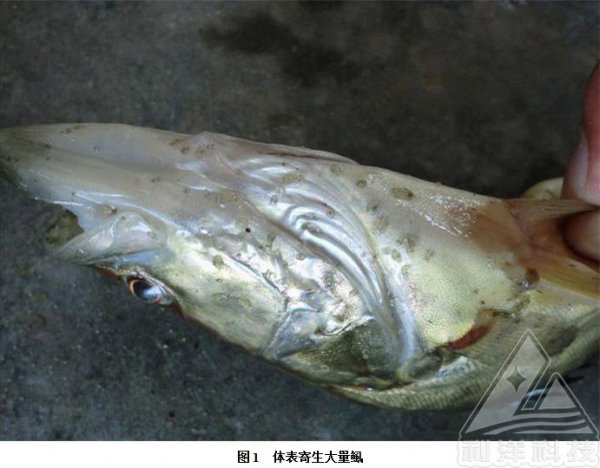
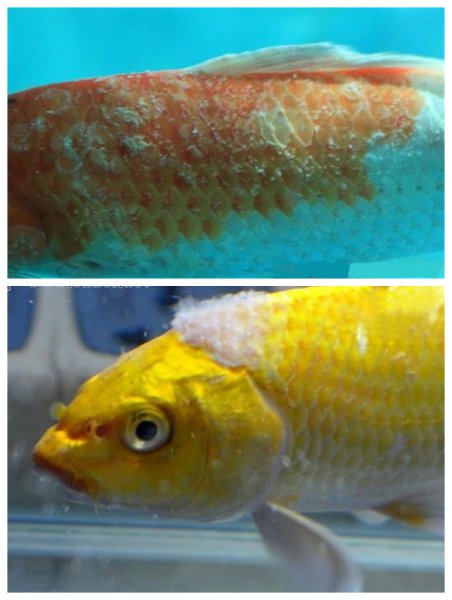
Taisho Sanke koi have a fairly strong constitution, but during seasonal transitions or when water quality is poor they may still be infected by common diseases such as white spot disease, trichodina, and anchor worms. Usually you should observe the fish's swimming posture, appetite and body surface changes more often; once rubbing against the tank, gasping at the surface, refusing food or abnormalities on the body surface appear, isolate them promptly and treat them according to the symptoms. With good daily prevention, the fish can maintain good condition over the long term.
Related reading