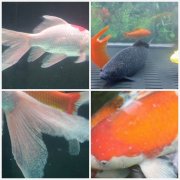
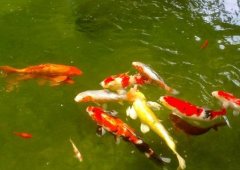
German Showa koi is a variety produced by crossing Showa Sanshoku with German carp.
German Showa koi is a variety bred by crossing Showa Sanshoku with German carp, and in koi classification it belongs to the German-bred Showa group. It retains the characteristics of Showa Sanshoku, with black as the main base tone accented by crimson and white markings, while also inheriting the body traits of German carp, with few scales or none at all, making it an ornamental fish that balances color and scale type.
In terms of scale type, German Showa koi commonly show two forms: one is the mirror carp type, with only a few large scales arranged along the dorsal fin line and near the lateral line, while the rest of the body is smooth; the other is close to the leather carp, with almost no scales over the entire body. With fewer small scales obscuring them, the edges of the black markings and crimson patches appear cleaner and sharper, and the contrast between the patches is more striking. For judging quality, the standards of Showa Sanshoku are generally followed, emphasizing deep, weighty black, black on the head, and a balanced distribution of red and white.
For keeping, it is similar to ordinary koi, preferring an environment with ample dissolved oxygen and stable water quality, and feeding only needs to be done at fixed times and in fixed amounts. Because of the lack of scale protection, German-bred individuals have relatively delicate skin, so when changing water, netting fish, or cleaning the pond, movements should be gentle to avoid secondary infection after abrasions. Pay attention to water temperature fluctuations when the seasons change, and usually observe the fish body surface for abnormalities such as white spots, congestion, or frequent rubbing against the tank.
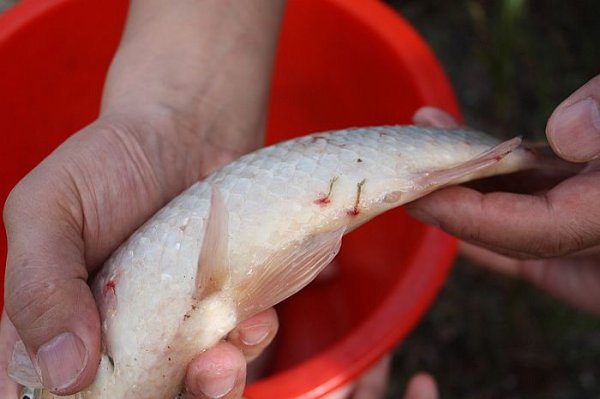
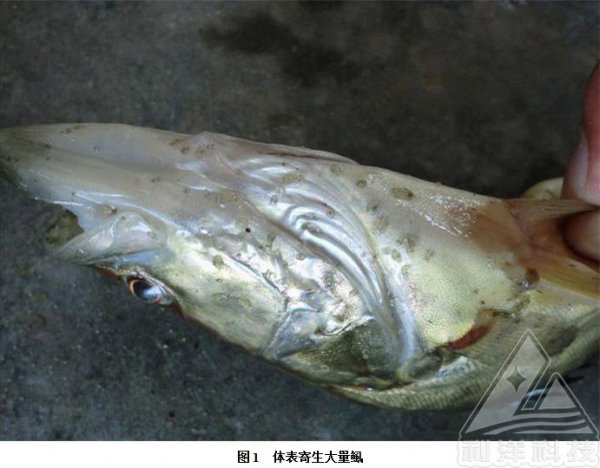
In daily management, parasitic problems such as white spot disease, anchor worms, and trichodina, as well as bacterial infections, are relatively common. Once diseased fish are found, they should be isolated promptly and the water treated to prevent spread through the whole pond. Overall, German Showa koi combines the color tension of Showa with the smooth body surface of the German-bred type, making it suitable for courtyard ponds or large aquariums, with high ornamental value.
Related Reading