Introduction to the Characteristics and Keeping Methods of German Doitsu Bekko Koi
The German Doitsu Bekko Koi is a koi developed by combining the Bekko variety with German carp bloodlines, and it is usually classified among the variegated koi. It retains the classic Bekko pattern featuring black patches, while also carrying the few-scaled or scaleless skin characteristics of German carp, giving it a smooth, fine body surface that is quite distinctive to admire.
In terms of appearance, German Doitsu Bekko Koi mostly have only a small number of neatly arranged large scales distributed along the dorsal ridge line and near the lateral line, with almost no scales on the rest of the body and a fairly strong skin sheen. Their base color is mainly white, red or yellow, dotted with moderately sized black patches; those with evenly distributed black patches and clear edges are considered superior, and individuals with a clean head and little black are often more favored.
According to differences in base color, this variety can be divided into types such as Shiro Bekko, Aka Bekko and Ki Bekko. Among them, Shiro Bekko with a white base and black markings is the most common, while individuals with a red or yellow base and black markings are relatively rare, each with its own distinctive ornamental value.
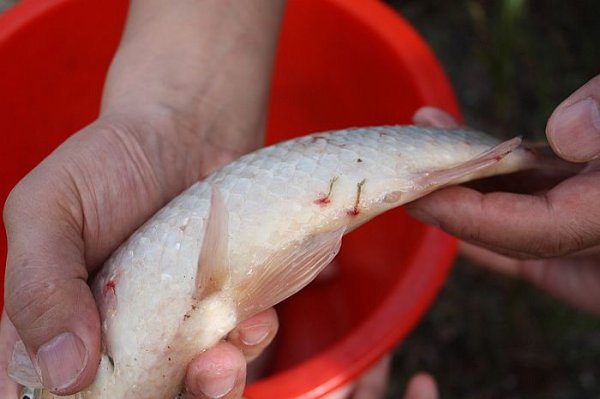
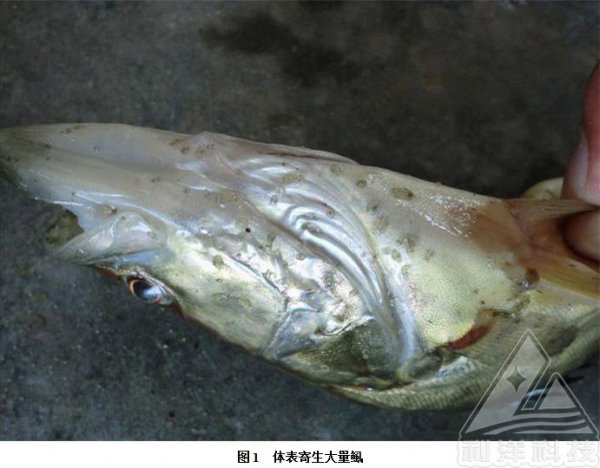
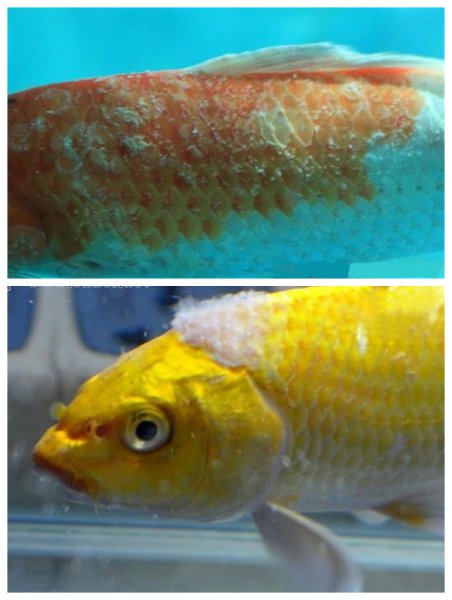
In terms of keeping, German Doitsu Bekko Koi have a relatively strong constitution, but because their skin is bare with few scales, they are more prone to infection from abrasions than ordinary scaled koi, so extra care should be taken when netting them and changing the water. In daily care, the water quality should be kept clean, a good filtration system should be set up and the water changed regularly; sudden temperature changes can easily trigger common diseases such as white spot disease, and feeding should mainly use high-quality artificial feed, in small amounts and more frequently. If fish are observed rubbing against the tank, gasping at the surface or showing abnormalities on the body surface, they should be isolated for observation and treated according to the symptoms in a timely manner.
Related Reading