Tancho koi are known for the red patch on top of their heads; keeping them requires attention to water quality and disease prevention.
Tancho koi is a distinctive strain of koi, with a pure white base color over the whole body and a single bright red round patch right in the center of the top of the head, resembling the red fleshy crest on the head of a red-crowned crane, which is how it got its name. This type of koi has a clear separation of red and white and a simple composition, making it highly ornamental; in Japan it is regarded as a symbol of good fortune and is deeply loved by enthusiasts.
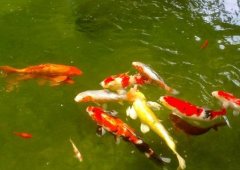
In terms of varieties, Tancho koi is most commonly seen as Tancho Kohaku, that is, a Kohaku koi with a round red patch on the head. There are also Tancho Taisho Sanke, Tancho Showa Sanke and others, which retain the red head patch on the base pattern of the three-colored varieties. When judging quality, the red patch is best if it is round, centered, and does not extend past the eyes or shoulders; the deeper and more even the color of the red patch, the higher its ornamental value.
In terms of keeping, Tancho koi have basically the same habits as other koi and are suited to living in ponds or tanks with stable water temperature and sufficient dissolved oxygen. In daily care, attention should be paid to keeping the water clean, changing the water regularly and maintaining good filtration, and feeding at fixed times and in fixed amounts to avoid leftover food spoiling the water quality. Sudden changes in water temperature can easily cause stress, so when changing water, the temperature difference between the new and old water should not be too great.
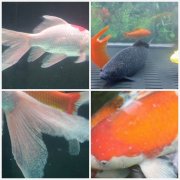
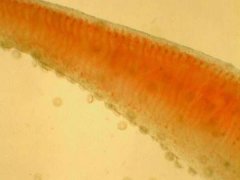
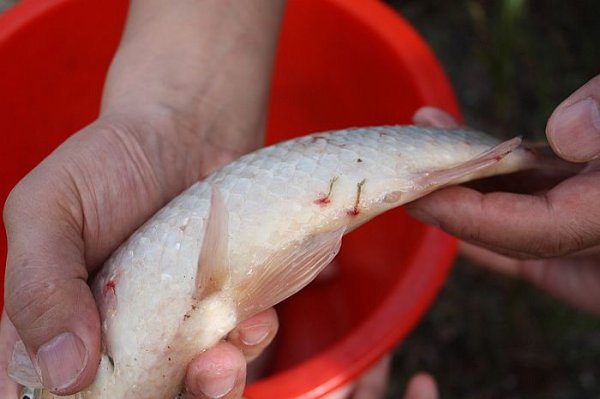
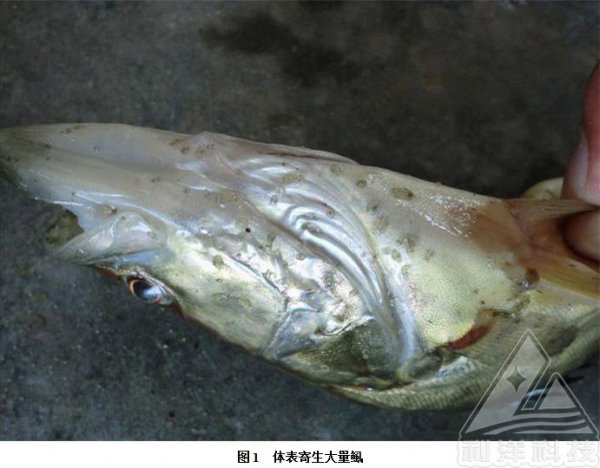
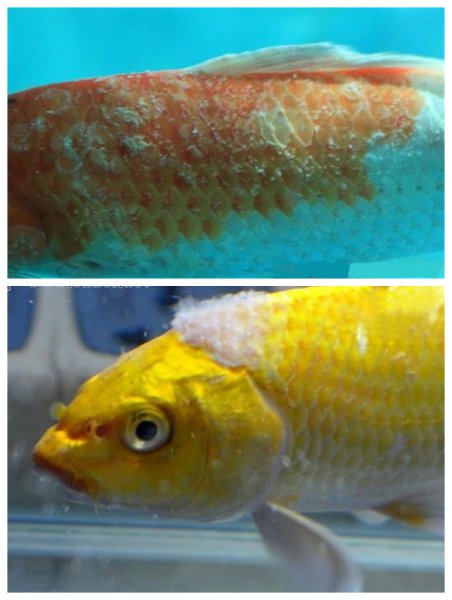
The body surface of Tancho koi is mainly white, so once it becomes ill, the symptoms are relatively obvious against the white background, making early detection easier. Common problems include diseases caused by parasites such as white spot disease, Chilodonella, and Lernaea, as well as fin rot and congestion caused by bacterial infection. In normal times, new fish should be quarantined and tools disinfected; if the fish are seen scraping against the tank, losing appetite, or developing abnormal white spots on the body surface or an enlarging red patch, they should be isolated for observation and treated according to the symptoms in time to avoid infecting the whole pond.
Related Reading