The Red Bekko koi is a Bekko-class koi variety with a red base and black markings.
The Red Bekko koi is a variety within the Bekko class of koi, featuring a vivid red base color with black sumi markings of varying sizes scattered across the body; the interplay of red and black gives it strong ornamental appeal. It belongs to the same Bekko series as the White Bekko and Yellow Bekko, with the main difference being the base color. Among them, the Red Bekko is relatively rare and is much favored by enthusiasts.
When evaluating a Red Bekko koi, the main thing to look at is how the base color and sumi markings work together. An ideal red base should be deep, vivid and even, while the sumi markings should have clear outlines and balanced distribution; too many or overly scattered markings will detract from the overall beauty. The head is best when clean or with little sumi, and the sumi on the fins should also be natural and harmonious so that the overall look has strength.
In terms of keeping, the Red Bekko koi has habits similar to other koi. It prefers an environment with clean water and sufficient dissolved oxygen, and keeping the water temperature stable is more conducive to growth and color development. For daily feeding, a nutritionally balanced koi-specific compound feed can be given, appropriately supplemented with natural bait, with consistent feeding at fixed times and amounts, along with regular water changes and removal of leftover food and feces from the bottom of the pond.
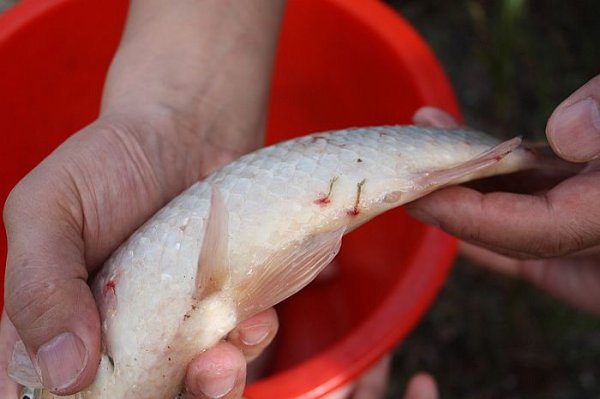
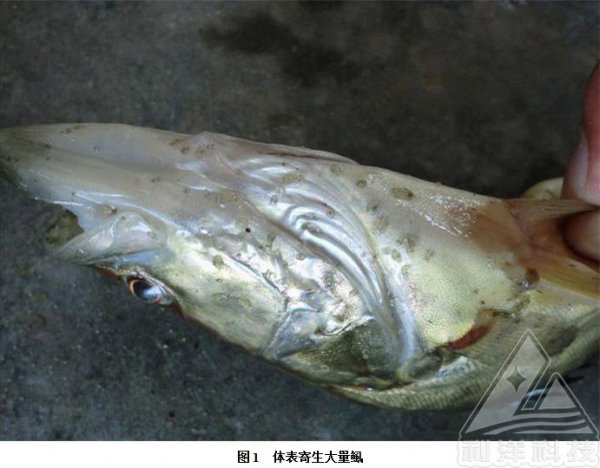
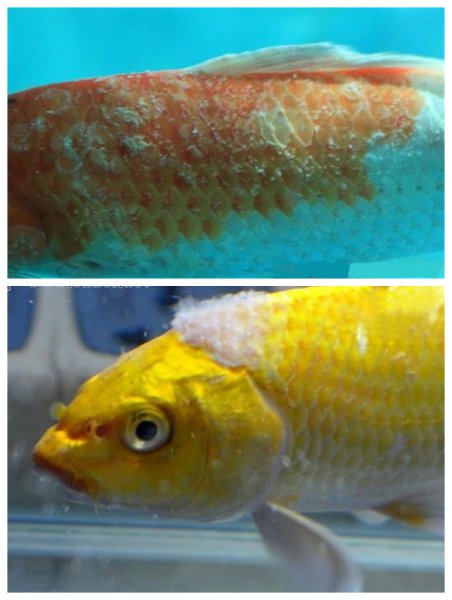
Common problems mainly center on disease prevention and control. Koi are susceptible to parasites such as white spot disease, Chilodonella, and Lernaea, often showing symptoms like scraping against the tank, reduced appetite, and white spots or abnormal attachments on the body surface. Doing a good job of quarantine and isolation before new fish are added to the pond, keeping water quality stable in normal times, and promptly isolating and treating any abnormalities can effectively reduce the probability of disease outbreaks.
Related Reading