What Variety Is Bekko Koi: Characteristics and Care Guide
Bekko koi is a variety of koi, and its name comes from Japanese, meaning that the sumi (black) markings on the body are arranged like the pattern of a turtle shell. Its basic feature is that large blocks of sumi are distributed over a body with a single base color, giving it an overall simple and impressive look that stands out distinctly in koi appreciation.
Depending on the base color, bekko koi are usually divided into three types: Shiro Bekko (white), Aka Bekko (red) and Ki Bekko (yellow), among which Shiro Bekko, with sumi on a white base, is the most common. Shiro Bekko is often mistaken for a Showa Sanshoku lacking red markings; the difference mainly lies in the direction of the sumi markings. The sumi of bekko koi is mostly concentrated on both sides of the back and generally does not wrap onto the belly, and the sumi blocks are also relatively separate and clear.
When selecting one, pay attention to the shape and overall balance of the sumi markings. Individuals with moderately sized sumi, even distribution on the left and right, and a pure base color have higher ornamental value. In terms of care, its habits are similar to those of other koi; it prefers an environment with sufficient dissolved oxygen and clean water quality. In daily maintenance, keep the filtration system stable, change the water regularly and control stocking density, and appropriately reduce the amount of feeding when the water temperature is low.
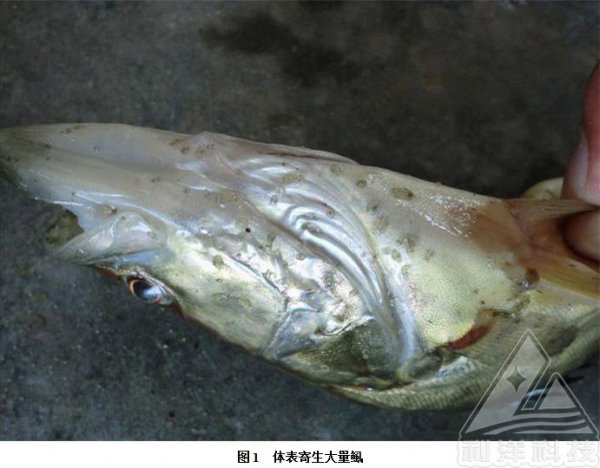
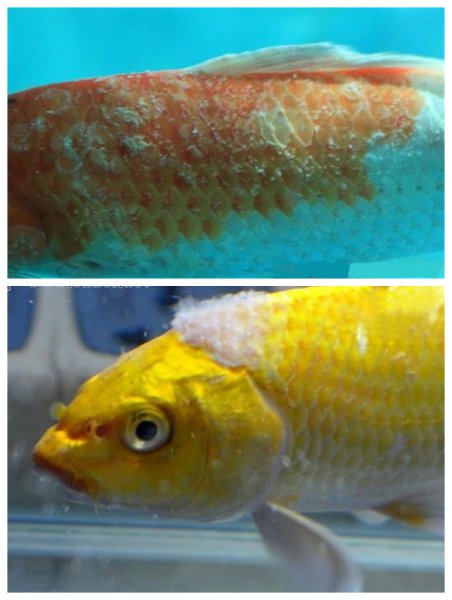
The common diseases of bekko koi are similar to those of general koi, such as white spot disease, trichodina, anchor worms and other parasitic problems, as well as symptoms such as fin rot and congestion caused by bacterial infection. Usually, pay attention to the fish's swimming and feeding conditions. If abnormalities on the body surface, rubbing against the tank or rapid breathing are found, isolate and treat them as early as possible. Stable water quality is the most effective means of prevention.
Related Reading