Shiro Utsuri koi are known for their black-and-white patterns, and both selection and keeping require careful attention
Shiro Utsuri is one of the representative varieties of Utsuri koi, originating from the Utsurimono lineage. Its base color is deep black, with large white patches distributed across the body; the black and white set each other off, giving it a distinctly ink-painting feel. The Utsuri group also includes Ki Utsuri and Hi Utsuri, but Shiro Utsuri has always remained highly popular for viewing because its color scheme is clean and elegant.
The key ornamental appeal of Shiro Utsuri lies in the contrast and balance between black and white. High-quality individuals require pure white, ink-black patches that are deep and dark, and clean, crisp edges; those with a moderate amount of black on the head are more favored. The distribution of sumi patches should echo each other from front to back, and the overall pattern should flow naturally to have more character.
It should be noted that Shiro Utsuri is easily confused with Showa Sanshoku; the main difference between the two is the presence or absence of red markings. Showa Sanshoku has red and white markings distributed over a black base, while Shiro Utsuri has only black and white, making its body color layers simpler and more distinct. When selecting, purity of white, richness of sumi, and evenness of pattern are considered best.
When keeping Shiro Utsuri koi, maintain clean water quality, change the water regularly, and keep the water temperature as stable as possible. When there is too much algae in the water, the white areas tend to turn yellow and dull, affecting the viewing effect. Feeding high-quality feed helps stabilize both the sumi and the white; the black patches will change to some extent as the fish grows, which is a normal phenomenon.
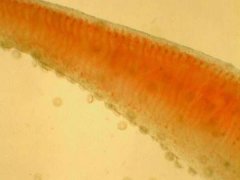
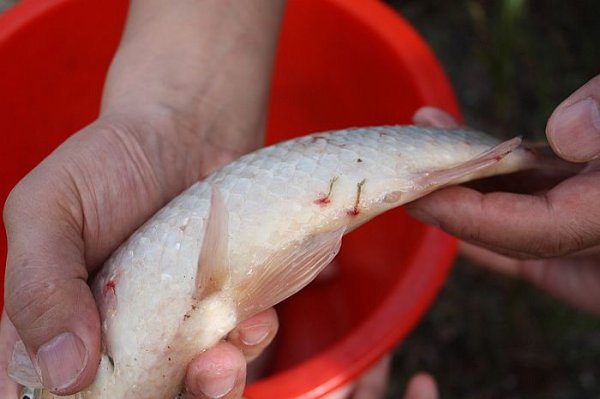
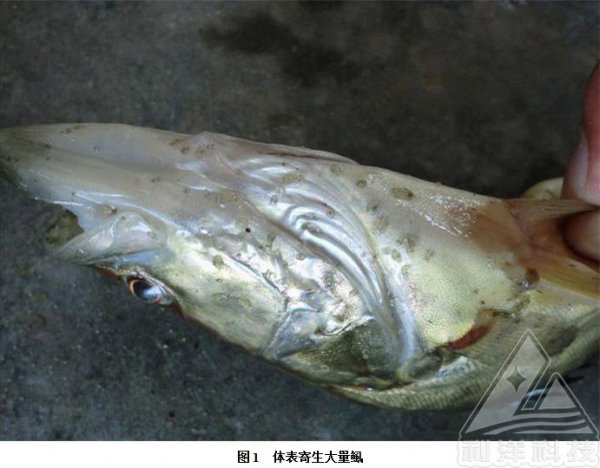
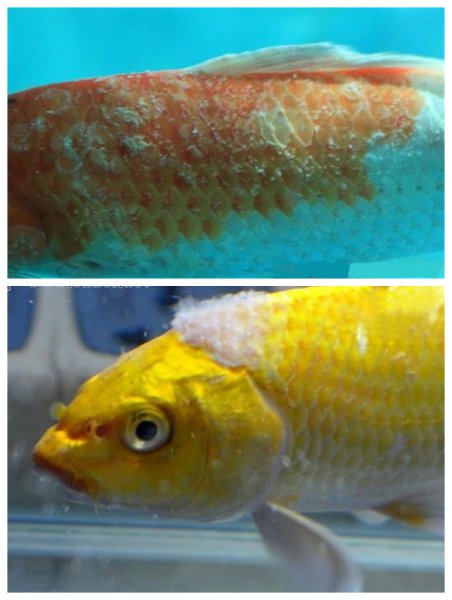
Shiro Utsuri koi have a constitution similar to other koi, so disease prevention should be part of daily care. Common problems such as white spot disease, Chilodonella, and Trichodina are mostly related to water quality. If fish are seen scraping against the tank, gasping at the surface, or showing reduced appetite, they should be isolated for observation and treatment in time. Only with good water quality management can the ideal black-and-white beauty be achieved.
Related Reading