Agricultural potassium sulfate is a high-quality chlorine-free potassium fertilizer; master the correct application methods
Agricultural potassium sulfate is a potassium fertilizer whose main component is potassium sulfate. It has a relatively high potassium content and also contains the sulfur element that crops need. Its aqueous solution is close to neutral, it is only slightly hygroscopic, does not easily cake, and has good physical properties, making it easy to store and transport. It is a potassium fertilizer variety widely used in agricultural production.
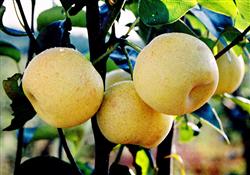
Compared with potassium chloride, the biggest feature of agricultural potassium sulfate is that it contains no chloride ions, so it is especially suitable for chlorine-sensitive crops such as tobacco, potato, grape, citrus and tea. Such crops are relatively sensitive to chlorine, and excessive chloride ions can easily affect yield and quality; choosing potassium sulfate can avoid this risk. In addition, the sulfur element participates in the synthesis of substances such as proteins and also helps improve the flavor and quality of some crops.
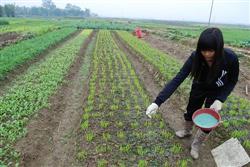
In terms of application, potassium sulfate can be used as a base fertilizer or a topdressing fertilizer, and can also be used as a seed fertilizer and for foliar spraying. When used as a base fertilizer, it should be applied deeply and covered with soil, placing the fertilizer in the main root distribution layer to reduce potassium being fixed by the soil. On sandy land with poor fertilizer-holding capacity, split application is recommended to improve fertilizer use efficiency. When applied in large amounts over a long period on acidic soil, it should be combined with organic fertilizer or lime and similar materials to prevent worsening soil acidification.
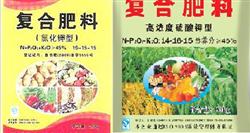
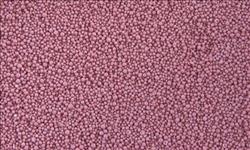
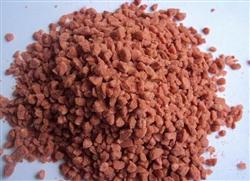
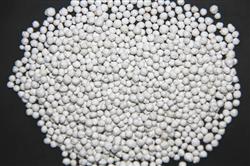
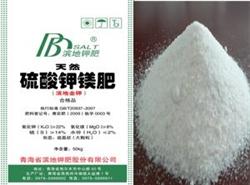
There are also particular points to note when purchasing and storing it. Genuine potassium sulfate is mostly white or slightly pale-yellow crystalline granules with good solubility. It can be preliminarily identified by appearance and a simple dissolution test; if you are unsure, you can send it to a testing institution for confirmation. When purchasing, pay attention to the nutrient content labeling and the applicable standard on the packaging, and choose products from reputable manufacturers. During storage, keep it dry and ventilated, and avoid moisture and caking, which can affect the application effect.
Related reading