What Kind of Fertilizer Is Ammonium Phosphate Boron Fertilizer? An Introduction to Its Characteristics and Application Methods
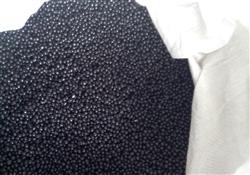
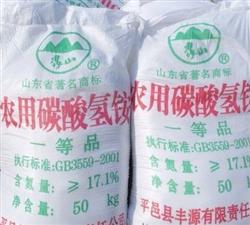
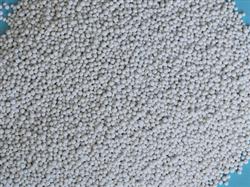
Ammonium phosphate boron fertilizer is a compound fertilizer made by adding boron to ammonium phosphate. It usually contains the two major elements nitrogen and phosphorus plus the trace element boron, and is a type of boron-containing compound fertilizer. Its raw materials are mostly monoammonium phosphate or diammonium phosphate, with an appropriate amount of borax or boric acid added, so that the fertilizer supplies boron while also supplementing nitrogen and phosphorus nutrients.
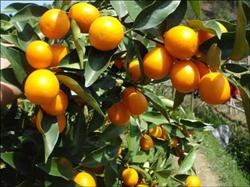
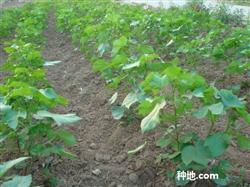
The characteristics of this type of fertilizer are relatively complete nutrients and good water solubility. The nitrogen exists in the form of ammonium nitrogen, and the phosphorus is mainly in water-soluble or citrate-soluble form, so the crop absorption and utilization rate is relatively high. Boron can promote pollen germination, flowering and fruit setting, and sugar transport, and it is effective in alleviating boron deficiency symptoms such as flower but no seed in rapeseed, buds but no flowers in cotton, and fruit shrinkage in fruit trees. Therefore, it is especially suitable for boron-sensitive crops such as rapeseed, cotton, fruit trees, and vegetables.
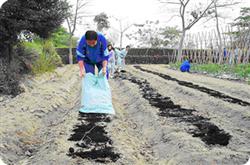
In terms of application, ammonium phosphate boron fertilizer can be used as a base fertilizer, seed fertilizer, or early topdressing, and can also be dissolved for foliar spraying. When used as a base fertilizer or seed fertilizer, it should be kept at an appropriate distance from seeds and roots to avoid burning seeds and seedlings. The amount used must be determined according to the soil boron status and crop needs. In boron-deficient areas and sandy soils, it can be appropriately increased, but excessive boron can easily cause toxicity, so it must not be applied blindly in large amounts.
It should be noted that boron should not be applied alone in excess over the long term, and it is best used together with organic fertilizer to improve the soil's boron-supplying capacity. In strongly alkaline soils, the availability of boron decreases, which can be offset by increasing organic fertilizer or adjusting the application method. During storage, it should be placed in a dry and cool place to prevent moisture and caking. Slight caking generally does not affect fertilizer efficiency after being crushed before application.
Related Reading