What are the precautions for using chloride-containing fertilizers?
I heard that chloride-containing fertilizers can burn crop roots? So what should be noted when applying chloride-containing fertilizers? Please share your experience. Currently in China, chloride-containing fertilizers are a category with relatively large production and application amounts, but different crops vary in their sensitivity to chloride. For example, some plants are extremely sensitive to chloride ions, and when uptake reaches a certain level, it can noticeably affect yield and quality. These plants are usually called chlorine-sensitive plants.
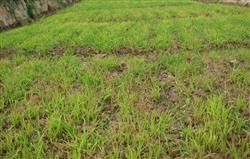 I heard that chloride-containing fertilizers can burn crop roots? So what should be noted when applying chloride-containing fertilizers? Please share your experience.
Currently in China, chloride-containing fertilizers are a category with relatively large production and application amounts, but different crops vary in their sensitivity to chloride. For example, some plants are extremely sensitive to chloride ions, and when uptake reaches a certain level, it can noticeably affect yield and quality. These plants are usually called chlorine-sensitive plants.
When chloride ions are abundant, it is unfavorable for crops to convert sugar into starch, and the starch content of root and tuber crops will decrease; chloride ions can promote the hydrolysis of carbohydrates, and watermelons, sugar beets, and grapes will have lower sugar content; excessive chloride ions can affect the combustibility of tobacco, making cigarettes prone to going out; when chloride ions are abundant, they often harm the seedlings of sensitive crops.
Therefore, Zhongdiwang has compiled which crops can be applied with chloride-containing fertilizers and the precautions, and the following is a detailed list for fellow gardeners to refer to.
Crops sensitive to chloride-containing fertilizers include: tobacco, sweet potato, potato, Chinese cabbage, chili pepper, lettuce, amaranth, apple, grape, tea, watermelon, etc.
Crops that favor chloride fertilizers include: rice, sorghum, foxtail millet, cotton, corn, wheat, peanut, soybean, tomato, etc.
Precautions for applying chloride-containing fertilizers:
I. Avoid use on sensitive crops and during sensitive periods of crops:
Because different crops and varieties differ greatly in their sensitivity and tolerance to chloride. Crops sensitive to chloride are called chlorine-sensitive crops, including tobacco, tea, citrus, grape, watermelon, potato, Chinese milk vetch, etc., and generally no chloride-containing fertilizer is applied or the application amount is strictly controlled.
II. Pay attention to the application methods of chloride-containing fertilizers:
When using chloride-containing fertilizers as a base fertilizer, apply early, deeply, and cover with soil. Generally, apply one week before sowing or transplanting, place it below the seeds or seedlings, preferably at 5-7 cm from the soil surface. When used as a topdressing: use hole application or band application, and keep 5-10 cm away from the crop plants; never broadcast.
III. Apply chloride-containing fertilizers as much as possible in seasons and regions with more rainfall:
When chloride-containing fertilizers are applied in rainy seasons or regions with more precipitation, chloride ions can be leached away with water and are not likely to accumulate in the soil, thus avoiding side effects on crops. However, in dryland without irrigation conditions, saline-alkali land with poor drainage, high-temperature and drought seasons, and water-scarce and low-rainfall areas, it is best not to use chloride-containing fertilizers or to use less of them.
The role of agricultural magnesium nitrate
What is the role of boron fertilizer?