Characteristics of Granular Phosphate Fertilizer and How to Apply It Correctly
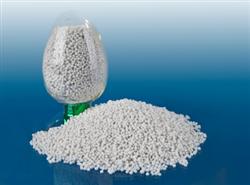
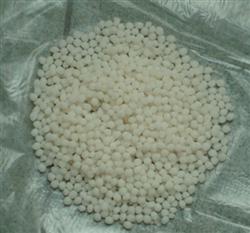
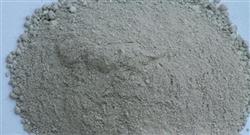
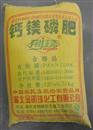
Granular phosphate fertilizer is a common form of phosphate fertilizer, referring to granular fertilizer made from raw materials such as single superphosphate, triple superphosphate and calcium magnesium phosphate through a granulation process. Compared with powdered phosphate fertilizer, it has a round and uniform appearance, produces less dust and flows well, making it easy to store, transport and apply by machine, so it is relatively common in large-scale cultivation.
From the standpoint of fertilizer efficiency, the granular form reduces the contact area between the fertilizer and the soil, which to a certain extent slows the rate at which phosphorus is fixed by calcium, iron, aluminum and other components in the soil, so nutrients are released more gently and the supply lasts longer. However, its total phosphorus content is mainly determined by the raw materials, so when purchasing you can check the available phosphorus content stated on the package and give priority to products whose granules are hard and not easily broken.
As for application, because phosphorus moves poorly in the soil, granular phosphate fertilizer is best used as a base fertilizer, applied in bands or holes close to the roots to improve utilization. When used as a seed fertilizer, it should be kept at an appropriate distance from the seeds to avoid excessive local concentration affecting germination and emergence. At the same time, applying it together with nitrogen fertilizer, potassium fertilizer and organic fertilizer gives a more balanced nutrient supply and better fertilizer efficiency.
It should be noted that granular phosphate fertilizer tends to cake after absorbing moisture, so it should be stored in a dry, well-ventilated place, and once the bag is opened it is best to use it up promptly. Slightly caked fertilizer can generally still be applied normally after being broken up, but if there is obvious deliquescence or deterioration, it needs to be handled with care.
Related reading