A Detailed Guide to the Functions, Characteristics and Common Types of Potassium Fertilizer
Potassium fertilizer is a fertilizer whose main nutrient is potassium, and along with nitrogen fertilizer and phosphate fertilizer it is one of the three most commonly used types of chemical fertilizer in agricultural production. Although potassium does not directly make up the organic matter in plants, it is an activator of many enzymes, can promote photosynthesis and the transport of carbohydrates, and has an obvious effect on improving the quality of agricultural products, so it is also often called the quality element.
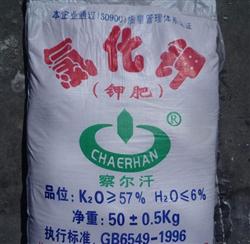
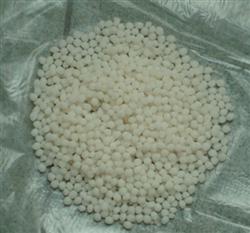
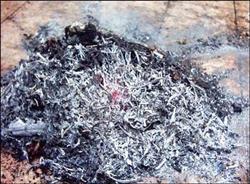
In terms of types, common potassium fertilizers mainly include potassium chloride, potassium sulfate, potassium nitrate, monopotassium phosphate and so on, and wood ash, which is widely used in rural areas, also belongs to potassium fertilizers. Potassium chloride has a high nutrient content and a relatively low cost, but it contains chloride ions, so chloride-sensitive crops such as tobacco, potato and grape should be treated with caution. Potassium sulfate contains no chloride and is suitable for most cash crops, while monopotassium phosphate is often used for foliar spraying.
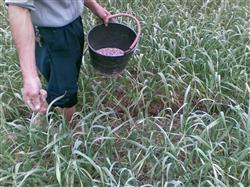
When applying potassium fertilizer, it can generally be used as a base fertilizer or a top dressing, and covering it with soil appropriately after application helps improve the utilization rate. Potassium ions can be adsorbed by soil colloids, so leaching loss is relatively slow, but on sandy soil it is still advisable to apply it in split doses. Potassium fertilizer should also be reasonably combined with nitrogen fertilizer and phosphate fertilizer to achieve a better yield-increasing effect.
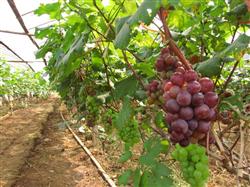
When crops are deficient in potassium, the symptoms often include yellowing and scorching at the tips and margins of older leaves, thin and weak stems that lodge easily, and poor fruit coloring and a bland taste. For potassium-loving crops such as grapes, the demand for potassium increases noticeably during the fruit swelling and color-turning stages, and timely potassium supplementation helps raise both yield and quality.
It should be noted that wood ash is alkaline and should not be stored or applied together with ammonium nitrogen fertilizer, decomposed human manure and urine, and the like, so as to avoid nutrient loss. When making potassium fertilizer from wood ash yourself, the leachate can be diluted before use, and the amount used at one time should not be too large; proceeding gradually is more reliable.
Related Reading