Synthetic ammonia is the foundational process of the nitrogen fertilizer industry: principles and uses explained in detail
Synthetic ammonia refers to the chemical process in which nitrogen and hydrogen are used as raw materials and directly combined into ammonia under conditions of high temperature, high pressure and the presence of a catalyst. Ammonia is the core raw material for making nitrogen fertilizers, so synthetic ammonia is regarded as an important support for the fertilizer industry and even modern agriculture.
The nitrogen used in production is generally taken directly from the air, while hydrogen is mainly obtained through the conversion of raw materials such as natural gas and coal; different regions choose different production routes according to their resource conditions. The synthesis reaction needs to be carried out at a high temperature of several hundred degrees Celsius, a relatively high pressure, and with the action of an iron-based catalyst. After the reaction, the gas is cooled and separated to obtain liquid ammonia, and unreacted raw materials can be recycled to improve efficiency.
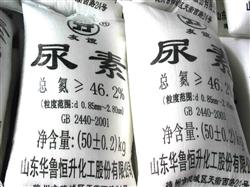
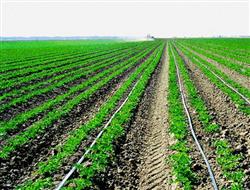
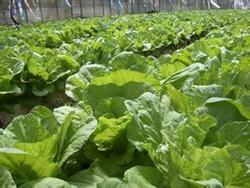
In agriculture, ammonia is mainly used to process common nitrogen fertilizers such as urea, ammonium bicarbonate, ammonium sulfate and ammonium nitrate, and can also be used to produce chemical products such as nitric acid and amines. The popularization of nitrogen fertilizers is inseparable from the development of the synthetic ammonia industry. Reasonable application of nitrogen fertilizers can promote crop growth, but excessive application easily causes waste and may also increase the burden on the soil.
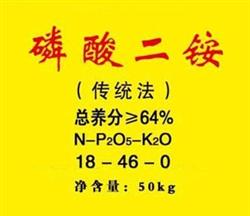
For growers, understanding synthetic ammonia helps clarify where fertilizers such as urea come from, making purchasing and application more targeted. For example, when topdressing with urea, the timing and depth of fertilization should be grasped to improve fertilizer efficiency; when buying fertilizer, one should also learn to identify authenticity and pay attention to whether the nutrient content meets the standard.
Related reading