Correct Use Methods and Application Key Points of Boron Fertilizer
How is boron fertilizer used? How many application methods are there for boron fertilizer? What problems should be noted when using boron fertilizer? The following is a brief introduction from Gengzhongbang Planting Network, for the reference of netizens. 1. Boron fertilizer application methods. 1. Root dipping: use 0.05-0.15 kg of borax per mu, dissolve it in a small amount of water (40°C hot water), then...
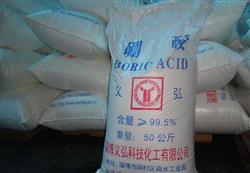 How is boron fertilizer used? How many application methods are there for boron fertilizer? What problems should be noted when using boron fertilizer? The following is a brief introduction from Gengzhongbang Planting Network, for the reference of netizens.
1. Boron fertilizer application methods
1. Root dipping: use 0.05-0.15 kg of borax per mu, dissolve it in a small amount of water (40°C hot water), then add fine soil and water to make a paste, and dip the roots when transplanting rapeseed or other crop plants.
2. As base fertilizer: use 0.5-1 kg of borax per mu, mix evenly with fine dry soil, phosphate fertilizer or nitrogen fertilizer, and apply when sowing or transplanting cotton or other crops. Applied once, the fertilizer effect can last for 2-3 years, and generally increases yield by more than 10% in the current season. Boron mud is more commonly used as base fertilizer, has a low price, and the dosage is about 15 kg per mu; it can be mixed evenly with organic fertilizer and applied. For fruit trees such as citrus and apple, use 1.5-2 kg of boron mud per tree. When used as base fertilizer, it must be applied evenly to avoid excessive boron concentration in local areas causing crop poisoning. Boron mud shows an alkaline reaction and contains 30-40% magnesium (MgO), and is suitable for southern soils.
3. Seed soaking: use a 0.02-0.05% borax or boric acid solution. Soak corn and sorghum seeds for 4-5 hours, and wheat seeds for 3 hours. Remove and dry in the shade (do not expose to direct sunlight) before sowing. Legume crops and crops planted on saline-alkali soil are not suitable for seed soaking.
4. Seed dressing: use 0.2-0.5 g of borax or boric acid per 0.5 kg of seeds. When seed dressing is completed, it is best if the solution is all absorbed; dry in the shade before sowing.
5. Foliar spraying: use 0.05-0.1 kg of borax or 0.05-0.07 kg of boric acid per mu, dissolve in water, then add 50 kg of clean water (spraying concentration between 0.1-0.2%), and carry out foliar spraying after 4 p.m. on a sunny day. The amount of solution depends on the size of the seedlings; spray more for large seedlings and less for small seedlings.
Boron fertilizer directly affects the development of crop reproductive organs, so it should be applied early. Boron has poor mobility within the plant, so multiple sprayings are preferable. For example: for rapeseed, 2-3 days before transplanting, use 100 g of borax per mu of seedbed, prepare a 50 kg aqueous solution and spray, which can increase the survival rate. From bolting to early flowering, it can be sprayed 2-3 times. For cotton, spraying should begin at the bud stage, once every half month, preferably 2-3 times in succession. For fruit trees, spraying at the young fruit stage and full flowering stage is better, and it can also be mixed with Bordeaux mixture and 0.5% urea to form a mixed solution for spraying; a 0.2-0.3% borax or boric acid solution can be used.
2. Precautions for using boron fertilizer
When preparing borax or boric acid aqueous solution, stir thoroughly, and after the borax or boric acid is completely dissolved, pour it into the sprayer. Never put borax or boric acid directly into the sprayer, so as not to affect the effect.
The concentration differences among deficiency, suitable amount and excess of boron for crops are small, so special attention must be paid to the dosage and application technique of boron fertilizer, especially on sandy soil, because sandy soil has poor buffering capacity. In production, seeds soaked with too high a concentration of boron fertilizer cannot emerge; cases of poisoning after applying boron fertilizer to soil that already had a relatively high content are often seen, and this should attract our attention. According to reports, some factories did not pay attention to the safe treatment of boron mud waste residue or boron-containing wastewater and discharged it randomly, causing water-soluble boron in soil and groundwater to exceed a certain content limit; crops then suffer poisoning and yield reduction, and sometimes there is no harvest at all. People and livestock drinking boron-containing well water above the standard will get "boron enteritis."
In crops poisoned by boron, floral organs are likewise sensitive, with symptoms such as incomplete pollination, bald tips, increased shriveled grains, and deformed fruits and vegetables. In mid-growth corn leaves and cucurbit leaves, the leaf edges form a very clearly defined closed yellow border, which is a special symptom of boron poisoning. Generally speaking, vegetable crops suffer more severely than cereal crops, with cucumber being especially sensitive. Using cucumber as an indicator crop for boron damage (golden-yellow closed edging appearing on leaf edges) can provide relatively accurate information.
The above is the introduction from Gengzhongbang Planting Network on the use methods and precautions of boron fertilizer. If you have better additions, please leave a comment below to tell us.