How to Grow Gardenia and Tips for Dealing with Leaf Problems
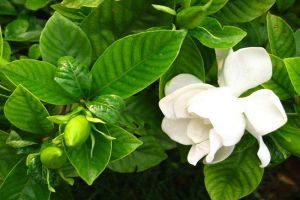
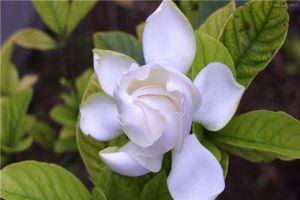
Gardenia is an evergreen shrub of the genus Gardenia in the family Rubiaceae, also known as yellow gardenia or mountain gardenia. Its leaves are leathery and glossy, and its flowers are pure white, elegant and strongly fragrant, usually opening at the turn of spring and summer. It likes a warm, humid climate and slightly acidic soil, and is widely grown in southern China. It can be planted in the ground to decorate a courtyard, or grown in pots on a balcony or indoors.
In caring for gardenia, the key points are soil, light and water. Choose loose, fertile, slightly acidic soil with good drainage, and water to keep the potting soil moist but not waterlogged; using alkaline water over the long term easily causes yellowing leaves. Normally place it in a spot with ample light and good ventilation, and shade it appropriately during strong summer sun. Besides soil culture, gardenia can also be grown in water; when growing it in water, be sure to change the water regularly and add nutrients in appropriate amounts.
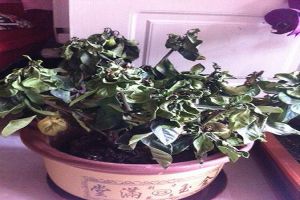
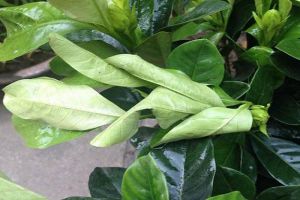
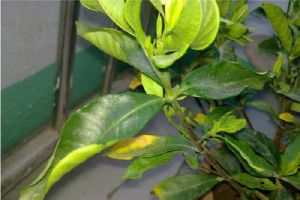
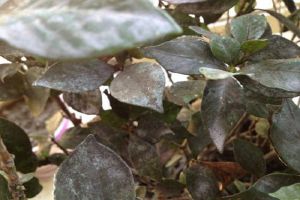
In routine care, abnormal leaves are the most common problem with gardenia. Dry, yellowing leaves are mostly related to lack of water, insufficient light or alkaline soil; wilted, drooping leaves may be caused by overwatering that damages the roots; blackened, falling leaves are often related to poor ventilation, disease or sudden temperature changes. When these problems occur, first check the moisture of the potting soil and the condition of the roots, then adjust the watering frequency, light and ventilation conditions accordingly, and the plant will mostly recover gradually.
Gardenia has high ornamental value, filling a room with fragrance when in bloom, and its flowers and fruit also have certain uses in perfumery and medicine. As long as you master the key points of acidic soil, reasonable watering, and ventilation and light, gardenia will grow vigorously and bloom every year.
Related Reading