Gardenia Blooming Season Is Generally in Late Spring and Early Summer: A Detailed Guide to Flowering Care
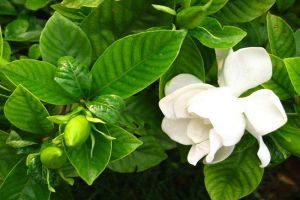
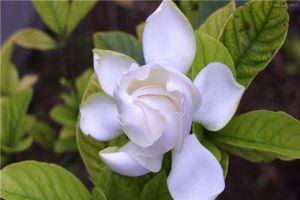
Gardenia (Gardenia jasminoides) is an evergreen shrub of the genus Gardenia in the family Rubiaceae. Its branches and leaves stay green all year round, its flowers are pure white, and its fragrance is rich. Its blooming season is mostly concentrated in late spring and early summer; in most regions it begins to open around May and can continue into June, while in warmer or cooler areas it may start slightly earlier or later. A single flower does not stay ornamental for very long, but the buds on the whole plant open in succession, so the overall blooming period can last quite a while.
Flowering times also differ among varieties. The common large-leaved gardenia has large flowers and a strong scent and usually blooms once a year; varieties such as small-leaved gardenia and four-season gardenia produce more flowers and, under good care, can bloom repeatedly within a year. Plants that are robust and receive plenty of light usually produce more flowers and a better fragrance.
Several points need attention when caring for gardenia during its blooming season. Gardenia loves light and also loves moisture; during bud formation and flowering, make sure it gets plenty of scattered light, and water so that the soil dries out before watering again. Letting the potting soil swing between dry and wet easily causes bud drop. Before flowering, you can apply one supplementary feeding of a fertilizer with a higher phosphorus and potassium content; after flowering, reduce or stop fertilizing. At the same time, avoid moving the pot frequently, and do not let rain fall on the flowers for long periods, so the flowers do not wither early.
If a gardenia only grows leaves and does not bloom, or if its buds turn yellow and fall off, it is most likely related to insufficient light, too much nitrogen fertilizer, dry air, or alkaline potting soil. It likes acidic soil, and watering it with alkaline water over a long period will affect bud formation and flowering, so you can regularly water it with acidified water to improve the situation. Promptly cutting off spent flowers after blooming and lightly thinning the branches can reduce nutrient consumption and help the plant bloom more the following year.
Related Reading