Master Flower-Growing Skills and Easily Solve the Problems of Watering, Fertilizing and Root Rot
Flower-growing skills refer to a series of practical methods accumulated around daily care such as watering, lighting, fertilizing, soil and pruning in the process of growing flowers at home. The native environments of different flowers vary greatly, so only by first understanding their growth habits and then adjusting flexibly according to seasonal changes can you grow flowers that are healthy and thriving.
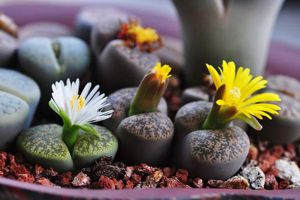
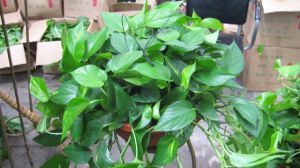
Watering and lighting are the two areas where beginners most easily run into problems. Most potted plants follow the principle of watering when dry and letting them dry between waterings: wait until the surface of the potting soil dries out, then water thoroughly in one go, avoiding long-term waterlogging that causes root rot. For lighting, you need to distinguish between the habits of different varieties. Sun-loving plants such as roses (Rosa chinensis) and succulents need ample sunlight, while shade-tolerant plants such as pothos (Epipremnum aureum) and Swiss cheese plant (Monstera deliciosa) are better suited to bright indirect light.
Soil and fertilizing are equally important. A loose, airy, well-draining substrate suits the vast majority of potted plants. During the growing season, apply light fertilizer frequently; before flowering, supplement appropriately with phosphorus and potassium fertilizer; during the dormant period, stop fertilizing and control watering. Regularly trim off spent flowers, dead branches and leggy growth in good time, which both keeps the plant's shape attractive and reduces nutrient consumption and the breeding of pests and diseases.
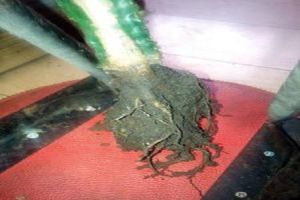
When the seasons change, the focus of care must be adjusted accordingly. In summer, with high temperatures and high humidity, pay attention to shading and ventilation to prevent root rot in plants such as the dragon bone flower (Euphorbia tirucalli) and succulents. In winter, when it is cold, hydroponic plants and warmth-loving flowers should be moved indoors in advance, and the watering frequency should be controlled to help them overwinter safely. As long as you observe more and summarize diligently in daily care, these flower-growing skills will become easier and easier to use.
Related Reading