Is growing flowers difficult? 4 practical little tips to help you grow flowers with ease
Turning the pot
Some flowering plants are phototropic; if the light is not adjusted regularly by turning the pot, problems such as lopsided crowns can appear, affecting their ornamental value.
Different plants have different light requirements. In general, flowering plants like light, while foliage plants prefer shade, so you can choose a suitable "home" for them indoors accordingly.
Note:
The pot can be turned about every 10 days or so, so that the potted flowers grow evenly and fully.
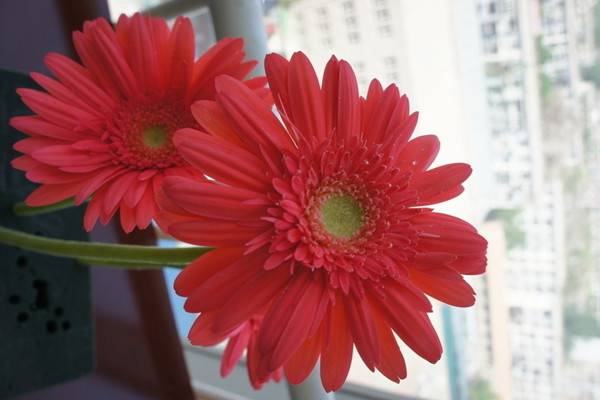
These plants include: geranium, clivia (Clivia miniata), amaryllis (Hippeastrum), cineraria, primrose, asparagus fern, African daisy (Gerbera), fuchsia, glasswort (Impatiens), nasturtium and other flowers.
Watering flowers with clean water
Watering is very important for plant growth, and many gardening friends lose their plants because of improper watering. The water used for watering flowers is best left in an uncovered container for 2 to 3 days, so that the water and air fully come into contact, the water temperature is close to the air temperature, and the chlorine in the tap water evaporates, so as not to affect flower growth.
Do not water if the potting soil is not dry; when you do water, water thoroughly, but do not water too much, especially in winter, to prevent the roots of potted flowers from being deprived of oxygen for a long time and rotting.
Changing the soil
After it warms up each spring, it is best to change the potting soil once a few days before May. Do not water before changing the soil; tap the side of the pot lightly to take out the flower (the plant should generally be more than a year and a half old), remove 1/3 of the old soil, cover the drainage hole with a small tile, cut off diseased and old roots, and replace with loose, fertile soil. Leave a certain distance from the rim of the pot according to the size of the pot; do not fill the pot to the brim with soil, so that watering is convenient, and water thoroughly after repotting.
Soil medium
The conditions that potting soil should meet are as follows:
1. Loose, fertile, with strong drainage and aeration;
2. Strong water- and fertilizer-holding capacity;
3. Contains the major nutrient elements and trace nutrient elements necessary for flower growth, with long-lasting fertilizer effect;
4. Free of sources of pests and diseases, especially soil used for propagating precious flowers and for transplanting seedlings, which should be disinfected before use.
For potting soil, generally choose a corner of the neighborhood with fallen leaves; fully fermented dead branches and fallen leaves are excellent fertilizer. About 1/3 garden soil, 1/3 leaf mold, and 1/3 old potting soil will do.
Flower friends, if you have any other good methods, tell Huahua in the comments~