How to grow delphinium? A detailed guide to cultivation techniques and precautions
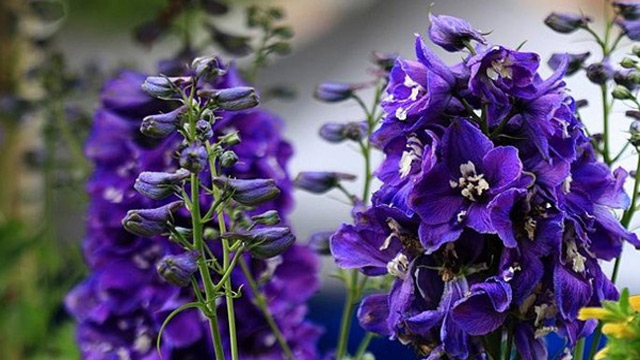
1. Light
It needs light, so let it bask in the sun regularly, and in October provide it with artificial lighting so that it will bloom a little earlier.
2. Watering
Watering also has requirements: keep it both dry and moist; during the flowering season, you can water it a bit more.
3. Fertilizing
When repotting, apply some fertilizer, such as dry manure, and afterward, depending on its growth, give it cake fertilizer water about one to three times a month. Before flowering, you can apply nitrogen fertilizer, but after flowering be sure to apply plenty of phosphorus and potassium fertilizer; when fertilizing, you can water moderately.
Precautions
1. Care
After sowing it, what we need to do is keep the soil moist; it is best to cover it with some grass, and then wait for the seedlings to emerge before gradually removing the covering.
2. Transplanting
If you want to move it into a pot, first make sure it has grown two leaves. At this point a relatively small pot is fine; when it grows larger, you can switch to a bigger one.
3. Height control
If it grows too tall, that is not a good thing either; at this point we can use paclobutrazol to stabilize its height, generally applying it about twice a month, with each application at a concentration of 0.5%.
4. Diseases
It has some common diseases, such as black spot and chrysanthemum foliar nematode disease; these can be treated with certain agents.
5. Pests
It can also suffer from aphids or moth larvae, and at this point you can use insecticide EC.