A Detailed Guide to the Characteristics and Cultivation Methods of Belgian Azalea
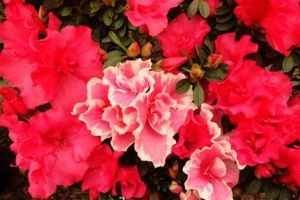
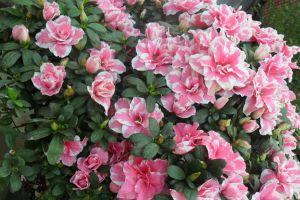
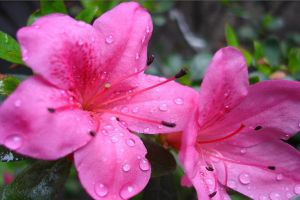
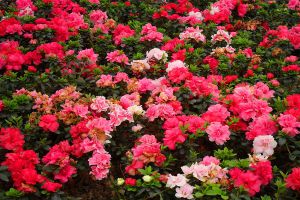
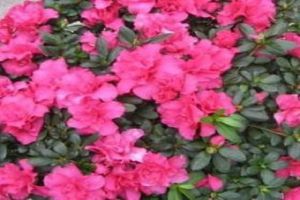
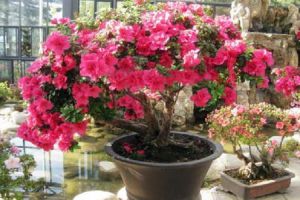
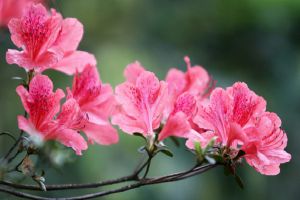
Belgian azalea, also known as Western azalea or Belgian rhododendron, is a group of horticultural hybrids in the genus Rhododendron of the family Ericaceae, developed by crossing rhododendrons native to China with varieties bred in Europe. It has a dwarf, sturdy and compact plant form with dense branches and leaves, and large, brightly colored flowers in red, pink, white and multicolor combinations. It is one of the common potted flowers for the Lunar New Year season.
The flowering period of Belgian azalea can be arranged in winter and spring through manual regulation, and a single plant has a relatively long ornamental period. It prefers a cool, humid and semi-shaded environment, and is afraid of both scorching sun exposure and high temperature, stuffiness and dry air. It is rather particular about cultivation conditions, which is also the main reason many flower enthusiasts find it difficult to keep alive.
For cultivating Belgian azalea, choose loose, fertile, well-drained acidic soil, such as leaf mold or peat soil mixed with perlite. Watering should follow the principle of watering when dry and letting it dry between waterings, keeping the potting soil moist but not waterlogged. When the climate is dry, spray water around the plant to increase humidity, and try to avoid directly spraying the flowers during the blooming period. During the growing season, apply light fertilizer frequently, and avoid concentrated or raw fertilizer. In summer, pay attention to shading and ventilation, and in winter, place it in a cool but frost-free location.
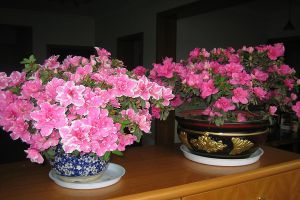
Belgian azalea is suitable for placement in balconies, living rooms and other spots with scattered light as a potted ornamental plant. Daily care should ensure environmental ventilation and watch for pests and diseases such as red spider mites and brown spot disease. If leaf drop or wilting occurs, it is mostly related to overwatering, dry air or alkaline soil. Find the cause and adjust in time, and the plant can usually gradually recover.
Related Reading