When is the flowering period of the Belgian Azalea? A complete guide to care methods
I. When does it bloom
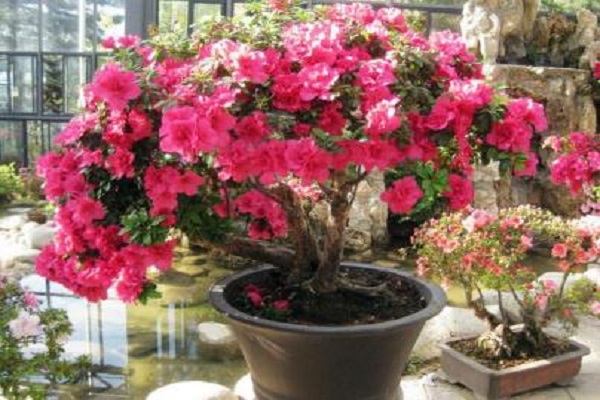
The earlier varieties of this flower bloom in October, and the next to bloom are around the time before and after the New Year. The flowering period can last as long as half a year, and generally they can bloom until April or May of the following year. The colder the environment, the more gorgeous the flower's color becomes. Before flowering, fertilizer and water should be increased; after the flowers open, this is no longer needed.
II. Care methods
Care before and after flowering is the key to making its flowers last longer, be more gorgeous, and have a more beautiful flower shape.
1. Starting in March, apply a dilute fertilizer mainly of phosphorus with nitrogen as a supplement, once or twice, with an interval of fifteen days each time, which can help the flowers become fuller. In order to give it more space and nutrients for the most critical places, remove all the other flower buds except those at the branch tips. After the flowers fade, also apply phosphorus and potassium fertilizer 2 times; this can help the green plant grow more robustly, make it look more beautiful, and also help the flower buds develop.
2. When it is flowering, place the pot in a ventilated area, give it sunlight in the morning and evening, and put it indoors at night. When there is no moisture left in the pot, add water promptly; do not splash water onto the flowers, and do not apply fertilizer during the flowering period. Do not let direct sunlight hit it; a cool environment can help extend its flowering period.
3. Its roots are very thin and slender, and it fears too much water, yet it cannot resist drought. As long as watering is improper, it is harmful to its growth. The amount of water should be determined according to the season and its growth stage. Winter is colder, and it temporarily stops growing, so it needs less water; the pot should then be kept drier, otherwise the leaves will turn yellow, and in severe cases it will die. If the winter is not cold, you can give it water with a temperature close to the environment once every three to five days. March to May is the growth period, so more water should be added, and the leaves and surrounding area should also be sprinkled with water. In late autumn, as it gradually gets colder, water should also be gradually reduced. For fertilizing, use decomposed fertilizer, not raw fertilizer.