A Detailed Introduction to the Characteristics and Care Methods of Pennywort
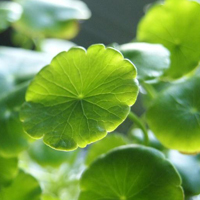
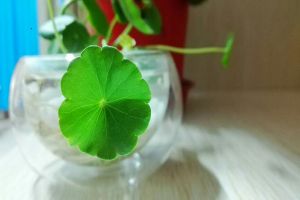
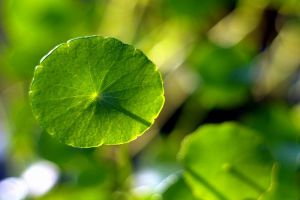
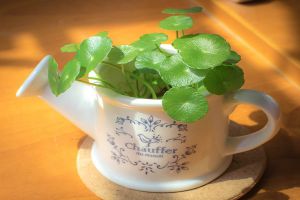
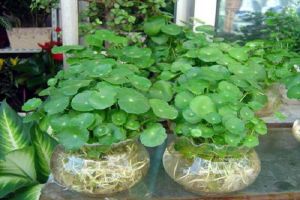
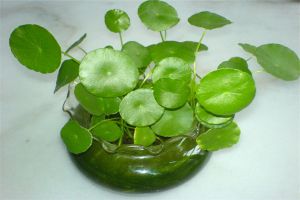
Pennywort (Hydrocotyle vulgaris) is a perennial herbaceous wetland plant, named for its round, emerald-green leaves that resemble ancient Chinese copper coins. It is often classified as an aquatic plant; it can grow in shallow water or wetlands, and can also be cultivated in soil. It has fairly strong adaptability and is a very common ornamental green plant in daily life.
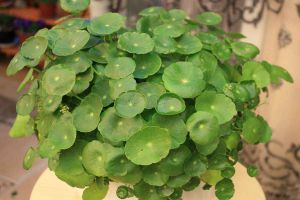
In terms of appearance, pennywort leaves are round and shield-shaped, with slender leaf stalks that emerge in clumps from the base, giving the whole plant a low, compact form. It likes light and moisture, and grows rapidly in warm environments with ample sunlight. It has a strong spreading ability, and with proper care it easily grows into a full pot, producing a very nice ornamental effect.
As for care, pennywort has high water requirements. When grown in soil, the potting soil should be kept moist; when grown in water, the water needs to be changed regularly to prevent it from becoming foul. It likes sunlight, and being kept in too dark a spot for a long time tends to cause leggy growth with thin, weak leaf stalks. In summer, when temperatures are high, it can be shaded appropriately. Any yellowing or withered leaves found in daily care should be cut off promptly, which both keeps the plant looking neat and helps new leaves sprout. In winter, attention should be paid to cold protection to avoid damage from low temperatures.
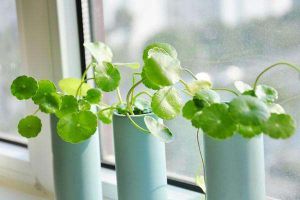
Pennywort has small, round leaves and is suitable for placing in living rooms, on windowsills and other spots to accent the home. It is generally considered non-toxic, so there is no need to worry too much during normal ornamental care. It is worth noting that it is often confused with plants with similar leaf shapes, such as Pilea peperomioides (Chinese money plant); when buying, they can be distinguished by leaf texture and growth habits.
Related Reading