How to prune pennywort (Hydrocotyle)? Detailed pruning methods and steps
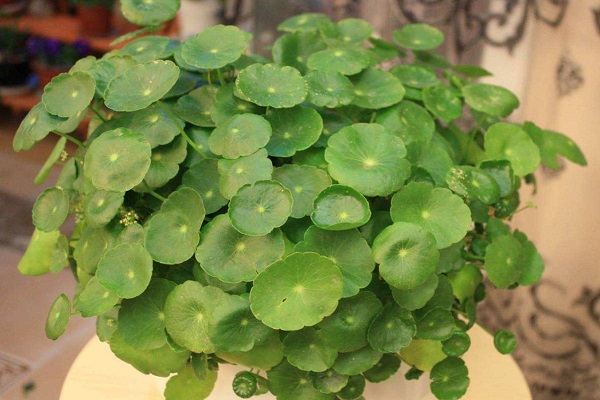
1. Trim the leaves
First of all, we need to cut off the leaves that are not growing well. After all, there is no use keeping them, and they take up space. Of course, we had better not throw these leaves away, because we know that letting them rot in the soil can replenish nutrients. These dead leaves, comparable to fertilizer, can actually make it grow faster.
2. Remove weeds
We do this to make it grow better, not to let the weeds grow better. Many times it may look like it is growing quite well, but that is actually an illusion, because there may be a lot of weeds inside. So we need to remove the weeds inside and completely get rid of their roots, so that they will not grow back again.
3. Pinch off the stems
Pinching off the stems is extremely beneficial for it, because when we pinch off the long stems, we can also grow them in other pots, so we can easily get two pots of plants.
4. Give it a close cut
First, we need to find a pair of good scissors, then find the spot where we want to cut and simply cut it. Of course, if possible, we should not leave the remaining stalks too long, because if they are too long and bare, it does not look good. Leaving about three cm is relatively attractive. Of course, after cutting, we do not need to worry that it cannot continue to grow, because its growth rate is very fast; we just need to strengthen its care.
In addition, we can also add some fertilizer to it, because some of its underground stems can actually grow new shoots, and they grow unbelievably fast. Of course, we should not use fertilizer casually; it must be decomposed. Things like rice-washing water at home do not need to be poured on it. If not handled properly, it may even turn its leaves yellow.