Detailed Guide to Growing and Caring for the Mock Lime (Aglaia odorata)
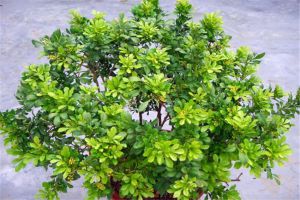
The mock lime, also known as Aglaia odorata or four-season mock lime, is an evergreen shrub or small tree of the genus Aglaia in the Meliaceae family, native to southern China and Southeast Asia. Its branches and leaves are lush and emerald green, and in summer and autumn it produces tiny yellow flowers shaped like grains of millet, with a delicate, long-lasting fragrance. It is a very popular foliage and flowering plant prized both for its beauty and its scent, making it an excellent choice for potted cultivation.
The mock lime prefers a warm, humid environment with plenty of sunlight, and it tolerates neither cold nor waterlogging. When caring for it, place it in a well-ventilated spot with ample light; if it is kept in insufficient light for a long time, the plant tends to grow leggy and produce fewer flowers. A loose, fertile, well-draining, slightly acidic sandy loam is best, and mixing in an appropriate amount of leaf mold can improve aeration.
Watering should follow the principle of watering when dry and soaking thoroughly when watering: wait until the surface of the potting soil dries out, then water thoroughly, avoiding prolonged waterlogging that can cause root rot and leaf drop. During the growing season, apply light, frequent feedings, mainly with well-rotted diluted liquid fertilizer; supplementing with phosphorus and potassium fertilizer before and after the flowering period helps promote abundant blooms and a stronger fragrance. In winter, move the plant indoors to keep it warm, reduce watering and stop fertilizing so it can overwinter safely.
In routine care, yellowing and dropping leaves on the mock lime are mostly related to overwatering, cold damage or sudden environmental changes; failure to bloom for a long time is often caused by insufficient light or a lack of fertilizer. When ventilation is poor, pests such as scale insects and red spider mites are prone to appear; once discovered, they should be removed promptly and treated with pesticide spray. Keeping the environment well ventilated and the plant clean in normal times can effectively reduce the occurrence of pests and diseases.
Related Reading