A Beginner's Guide to Home Gardening: Easily Create a Little Green World at Home
Home gardening refers to the raising of animals and cultivation of plants in a household setting; in the narrow sense, it usually means growing flowers, greenery and other ornamental plants at home. As living standards rise, more and more urban families treat growing flowers and plants as a daily hobby, which both decorates the home and enriches leisure time.
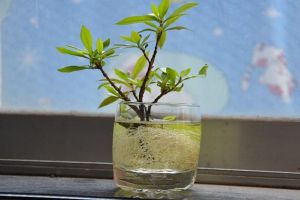
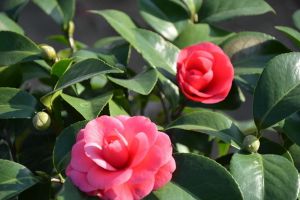
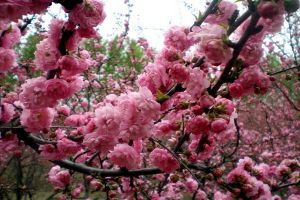
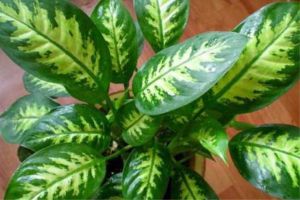
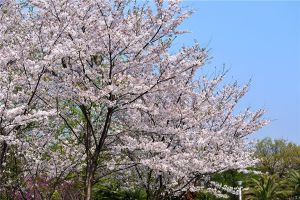
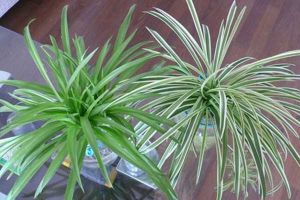
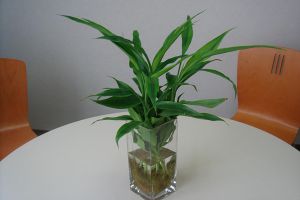
In terms of form, home gardening mainly includes soil-based potted plants, hydroponics and soilless cultivation, while propagation commonly uses simple, easy methods such as cuttings and division. Foliage and flowering plants like spider plant, gardenia and Chinese evergreen have strong adaptability and low environmental demands, making them well suited to beginners, whereas ornamental trees such as cherry blossoms require more space and more careful day-to-day management.
To grow plants well, the key is mastering the four basic elements: light, water, soil and ventilation. Most indoor green plants prefer bright, indirect light, and watering should follow the principle of letting the soil dry out between waterings; avoid long-term waterlogging of the potting soil, which causes root rot. Regularly loosening the soil, fertilizing in moderation and keeping the air circulating can effectively reduce yellowing leaves and pest and disease problems.
Common problems in home gardening include yellowing leaves, leggy growth, and dropped flowers and buds, most of which are related to improper watering, insufficient light or poor ventilation. When problems arise, check environmental factors first, then gradually adjust your care methods, and by no means blindly apply heavy watering and fertilizing. As long as you observe carefully and respond promptly, anyone can have a vibrant green world at home.
Related Reading