A Detailed Guide to Flower Cultivation Methods and Daily Care Techniques
Flower cultivation refers to the process of allowing flowers to grow normally and bloom on schedule through the reasonable regulation of conditions such as light, water, soil, temperature and nutrients. Different flowers vary considerably in their places of origin and habits, so before cultivating them, first figuring out whether they prefer light or tolerate shade, and whether they prefer moisture or tolerate drought, often saves a great deal of wasted effort.
In daily care, light and watering are the key elements. Most flowering plants need ample diffused light, and long periods of shade easily lead to leggy growth and failure to bloom; as for watering, the principle is to water when dry and let them dry out between waterings, avoiding waterlogging in the pot that causes root rot. As for soil, a loose, airy, well-draining slightly acidic or neutral medium suits most common household flowers.
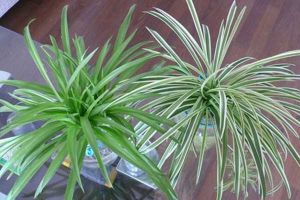
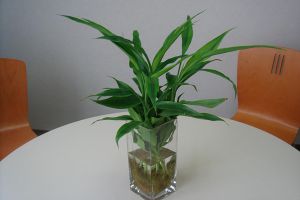
In terms of cultivation methods, flower care can be divided into two main categories: soil culture and water culture. Soil culture suits most traditional flowers such as Chinese roses and jasmine, while water culture is represented by gardenia, spider plant and the like, which is clean and attractive and makes it easy to observe the state of the root system. Whichever method is used, supplementing fertilizer in appropriate amounts during the growing season and reasonably controlling nutrients before and after the flowering period both help improve the quality of blooming.
The problems commonly encountered in the process of growing flowers mostly center on yellowing leaves, bud drop and pests and diseases. Yellowing leaves are often related to overwatering, insufficient light or lack of fertilizer, and need to be investigated and adjusted according to the specific situation; pest and disease control is based on maintaining ventilation and promptly clearing away dead branches and fallen leaves, with pesticide treatment considered only when necessary. Once these basic points are mastered, household flower growing becomes much easier to handle.
Related Reading