Grow Hyacinths in Water This Way for Snow-White Roots and Smoother Blooming
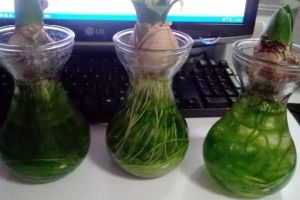
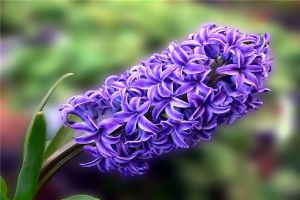
Growing hyacinths in water is a cultivation method that uses clear water and a transparent container instead of soil, with the bulb suspended close to the water surface, its roots extending and growing in the water, then sending up a flower stalk in spring and opening clusters of fragrant little flowers. This method is clean and attractive, suitable for placing on windowsills, desks and other indoor spaces, and it also makes it easy to observe the state of the roots at any time, making it a common home flowering plant grown in water.
Before growing in water, first choose a plump, firm bulb free of mold spots and damage; the mouth of the container should not be too wide, so that the bottom of the bulb just touches the water surface, and never let the whole bulb soak in the water. During the rooting stage, place it in a cool, bright spot without direct light, and try not to move the bulb frequently. When the water becomes cloudy, replace it promptly, making sure the new water is close to room temperature; when the water level drops, simply top it up as needed.
The common problems with hyacinths grown in water are mainly root rot, failure to root and green algae growth. Roots that turn black and slimy are mostly related to deteriorating water quality or too high a water level, so the water should be changed promptly and the rotten parts cut off; failure to grow roots for a long time may be related to too high an ambient temperature or a poor bulb, and keeping a cool environment is more favorable for rooting; when green algae grows on the inner wall of the container, you can shade it appropriately and scrub the container thoroughly. If the leaves turn black or the flower stalk is thin and weak, also check whether the water lacks oxygen or the temperature is unsuitable.
The nutrients needed for flowering mainly come from substances stored in the bulb, so extra fertilizer is generally not needed. After the flowers fade, if you want it to bloom again the following year, you can switch to soil cultivation and let the bulb recover nutrients in the soil. In addition, the sap of hyacinths is somewhat irritating, so wash your hands after handling the bulb, and keep the bulb and the water container out of the reach of children and pets.
Related Reading