A Detailed Guide to the Characteristics of Large-Leaf Gardenia and Key Points for Its Care
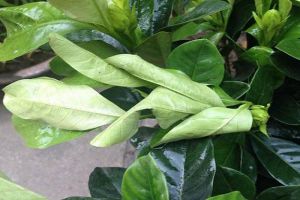
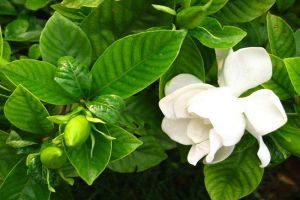
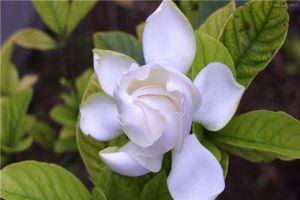
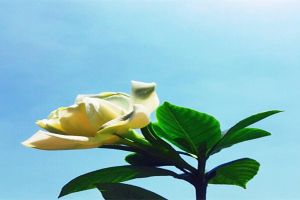
The large-leaf gardenia is a common cultivated type of gardenia in the Rubiaceae family, named for its broad leaves and full flowers. It is an evergreen shrub with glossy, leathery leaves and double, pure white, intensely fragrant flowers that mostly open in late spring and early summer. It is suitable for planting in the ground in courtyards and is also often grown in pots on balconies or in living rooms for viewing.
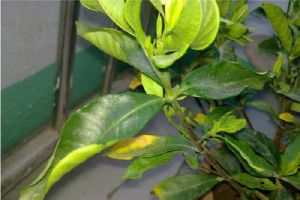
Compared with ordinary small-leaf varieties, the large-leaf gardenia is taller, its leaves are mostly oblong-elliptical, and its flowers are larger, making it more ornamental. It likes a warm, humid environment with plenty of light and is best planted in loose, fertile, well-drained, slightly acidic soil. If the soil is on the alkaline side, the leaves tend to turn yellow, which is a point requiring special attention in care.
In routine care, watering should follow the principle of watering when dry and letting it dry out between waterings, keeping the potting soil moist but not waterlogged, so as to avoid root rot that causes leaves to wilt and drop. During the growing season, a dilute acidic liquid fertilizer can be applied to supplement nutrients, and after flowering, spent flowers and overly dense branches should be pruned promptly to encourage blooming the following year. In northern regions, where the water tends to be alkaline, ferrous sulfate or alum fertilizer water can be used regularly to adjust the soil pH.
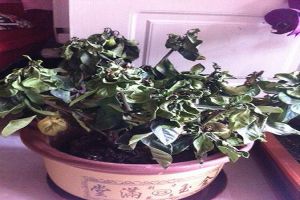
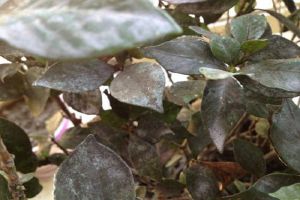
The large-leaf gardenia is relatively sensitive to environmental changes, and when care is improper it often develops problems such as dry, blackened, drooping or falling leaves, mostly related to overwatering, insufficient light, dry air or alkalinized soil. When abnormal leaves are noticed, first check the moisture of the potting soil and the state of the roots, then gradually adjust watering, light and ventilation conditions; usually it will slowly recover its vigor.
Related Reading