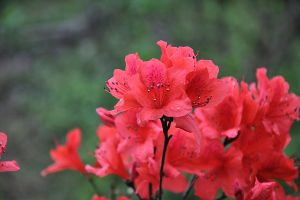
Rhododendron Is Toxic, but Normal Care and Enjoyment Need Not Cause Excessive Worry
Rhododendron is a common ornamental woody flowering plant, and its plants do indeed contain toxic components, mainly substances of the grayanotoxin class, concentrated mostly in the leaves, flowers and nectar. After accidental ingestion, symptoms such as nausea, vomiting, drooling, dizziness and slowed heartbeat may occur, and medical attention should be sought promptly if symptoms are obvious. It should be noted that the toxicity enters the human body mainly through oral ingestion, and normal display for viewing and everyday contact generally do not cause poisoning.
Not all rhododendrons have the same toxicity. Common ornamental varieties such as the red azalea, Western azalea and Jinxiu azalea contain certain toxins, but their toxicity is relatively mild; yellow-flowered rhododendron, also called goat rhododendron, is more toxic and was traditionally used to make homemade pesticides. For home cultivation, it is advisable to choose common ornamental varieties and place them where children and pets cannot easily reach them.
When pruning branches or repotting, you can wear gloves, wash your hands after finishing, and promptly clear away the cut branches and leaves. Households with cats and dogs should prevent pets from gnawing on fallen leaves and flowers. If accidental ingestion causes numbness of the mouth and tongue, nausea and vomiting, take the ingested material and seek medical attention as soon as possible.
Overall, as long as rhododendron is treated properly, it remains an ornamental plant with brilliant flowers that is suitable for potted cultivation and courtyard planting. Rather than worrying excessively about its toxicity, it is better to focus energy on daily care, such as preventing root rot, protecting it from freezing in winter, and promptly dealing with problems such as leaves turning red and drooping. If the plant is grown strong and healthy, the ornamental effect will naturally be better.
Related Reading