Variety selection and water management are essential for hanging basket cultivation
Hanging basket cultivation is a method of growing plants by suspending flower pots or hanging baskets in the air, commonly seen on balconies, in courtyards, in front of windows and in indoor spaces. It does not take up ground area and allows the branches and leaves to trail down naturally, forming a three-dimensional greenery display, making it a very popular growing form in home gardening.
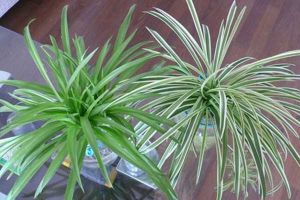
Most plants suitable for hanging basket cultivation have trailing or cascading characteristics, such as spider plant, pothos, ivy, inch plant, petunia and geranium. When choosing varieties, you can consider the light conditions: shade-tolerant types are suitable for hanging indoors, while light-loving types should be placed on a balcony with plenty of sunshine.
As for containers, it is best to choose hanging baskets with drainage holes, paired with a saucer or liner, to avoid dripping water soiling the floor after watering. The growing medium should be loose, lightweight and well-draining; it can be prepared with leaf mold combined with perlite and other materials to reduce the overall weight of the hanging basket and make it easier to hang and secure.
In daily care, note that hanging baskets have good ventilation and evaporate water quickly, so they dry out more easily than ground potted plants. You should observe soil moisture frequently and replenish water in time. During the peak growing season, you can appropriately add diluted liquid fertilizer, and regularly rotate the direction of the hanging basket so the plant receives even light and the plant shape becomes fuller.
Common problems are mainly yellowing leaves and leggy branches, which are mostly related to improper watering or insufficient light; adjusting the care method in time will allow gradual recovery. In addition, before hanging, be sure to confirm the hook is secure and avoid windy locations, both to protect the normal growth of the plant and to ensure residential safety.
Related Reading