White lilies are graceful bulb flowers that bloom easily with proper care
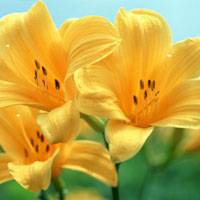
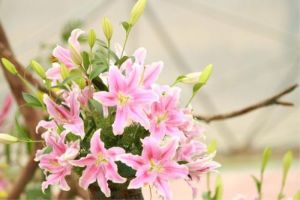
The white lily is a bulb flower of the genus Lilium in the family Liliaceae. It gets its name from its pure white, understated petals, and is often associated with the beautiful meanings of purity, elegance and lasting harmony. Its flower form is bold and generous, with a faint fresh fragrance. It is suitable both for planting in the ground in courtyards and for growing in pots for ornamental display, and it is also a common flower material in wedding arrangements and flower arranging.
As for the flowering period, white lilies mostly bloom in late spring and early summer, with the exact time varying slightly depending on the variety and the local climate. A single flower can stay open for several days. It likes a cool, sunny environment and has a certain degree of cold tolerance, but it does not tolerate high temperatures and scorching sun, nor waterlogging. It is best planted in loose, fertile, well-drained sandy soil.
In daily care, watering should follow the principle of watering when dry and letting it dry between waterings; during the growing season it is enough to keep the soil slightly moist. In the rainy season, pay attention to drainage to prevent the bulbs from rotting. Before and after flowering, phosphorus and potassium fertilizer can be added appropriately to help flowering and build up the bulbs; after flowering, remove the spent flowers promptly, but keep the stems and leaves so they can continue photosynthesizing, allowing nutrients to flow back to the bulb and laying a good foundation for reblooming the following year.
Among common questions, many flower lovers wonder how to deal with lilies after they fade and whether they can be pinched back. In fact, the key after flowering is to build up the bulb; simply cutting off the spent flowers is enough. Pinching back is generally done only when the plant is leggy and growing too tall. After winter sets in, the above-ground parts wither; the bulb can be left in the soil to overwinter, or lifted and stored in a cool place, then sprout again after temperatures rise in spring the following year.