Organic Rice Cultivation Methods and Management Techniques
Organic food is currently the hottest commodity on the sales market. Whether it is vegetables, fruits, or other foods, organic green foods sell the best. As the staple rice in our country, if organic rice is produced through green ecological cultivation, it is obvious that the prospects will be considerable, so how is organic rice grown? Follow the editor to take a look.
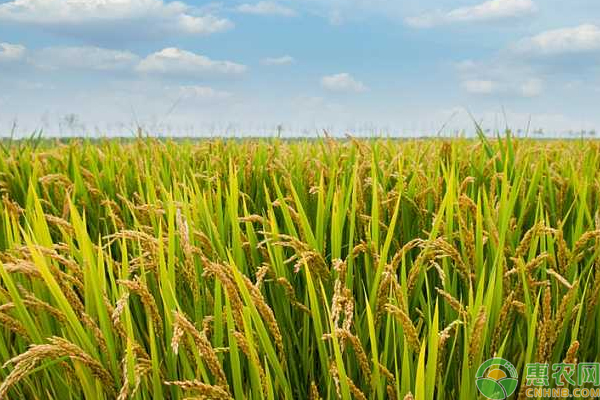
The cultivation of organic rice has values such as being green and environmentally friendly, reducing water usage, improving *quality, and meeting everyone's consumer market. Organic rice cultivation technology has received widespread attention from all walks of life. As organic rice production continues to increase, it can also alleviate the grain pressure caused by our country's large population and scarce sowing area, and is of great significance to promoting the sustainable development of our country's agriculture. In the entire process of organic rice cultivation, improper cultivation technology will lead to poor comprehensive quality of rice and affect the results of organic rice cultivation. Therefore, in order to improve the actual effect of organic rice planting in our country, analyzing organic rice cultivation technology and management concepts appears crucial.
1 Variety selection
The entire process of organic rice cultivation is relatively strict. Agricultural areas suitable for organic rice cultivation are needed, high-quality suitable planting areas should be divided, and high-quality rice varieties should be planted in these areas. During cultivation, a small amount of naphthaleneacetic acid, fertilizer, and chemical pesticides are applied. The key is to rely on the natural growth of organic rice planting varieties to produce organic rice. Cultivation management methods mainly follow techniques such as high-quality rice milling and drying, thereby improving the results of organic rice cultivation and providing customers with greener and healthier high-quality rice consumption choices. In order to improve the implementation results of organic rice planting technology, on the basis of clarifying organic rice planting, agricultural producers should scientifically select cultivation varieties so that they adapt to the objective growth conditions of the overall planned cultivation area, including *soil, rainfall, environmental humidity, and temperature, ensuring that rice planting varieties and the topography of the planting area adapt to each other, laying the foundation for improving rice cultivation quality.
2 Seed treatment
Before seed treatment, it should be ensured that seed quality meets organic rice planting standards, with a germination rate of 85%, 98% purity, and 14% moisture content, meeting the requirements of high-quality rice cultivation. The key techniques for organic rice seed treatment mainly include the following steps: First, drying and seed selection. With a cycle of 2 to 3 days, dry the seeds on a sunny day without wind. To ensure the seeds are fully dried, they need to be turned 3 to 4 times per day. After drying is completed (5 to 7 days before soaking), use the saltwater ratio (1:13) method to carry out scientific seed selection. For example, if the total weight of seed selection is 50 kg, 12 to 12.5 kg of salt needs to be added (large-grain salt is preferred) and dissolved in water. Place a fresh chicken egg still on the water surface. If the exposed part of the tilted fresh egg above the water surface is the size of half a coin, it indicates that the saltwater ratio meets the specified comparison degree. Generally, seed selection personnel can use parts per thousand to measure the concentration. During the rice seed selection process, seed selection personnel need to check and adjust the concentration at any time. Second, soaking seeds to promote germination. Soaking seeds has relatively high temperature requirements. Planting personnel need to use techniques such as double-film warming, electrical warming, and ground dragon warming to ensure that the temperature for soaking seeds and promoting germination is qualified. After the temperature meets the seed soaking requirements, cultivation personnel need to control the water layer height. The water level should preferably be 20 cm above the seeds, the temperature should be 11°C to 12°C, and the cycle for soaking seeds and promoting germination should be 5 to 7 days. With the continuous development of science and technology in our country, germination promotion technology has been gradually improved, and germination promotion quality has continued to improve. For example, cultivation personnel can use temperature-controlled germination machines to shorten the germination promotion cycle, improve germination promotion results, and scientifically set the germination promotion temperature and time according to rice seed selection. Third, timely planting. After soaking seeds and promoting germination are completed, cultivation personnel need to dry the seeds in a cool place, and plant after drying is completed. Planting is most suitable when the temperature in the organic rice cultivation area is ≥5°C.
3 Cultivating strong seedlings of organic rice
The actual effect of cultivating strong seedlings of organic rice is directly related to its yield, so cultivation personnel need to combine local weather conditions to carry out ventilation and seedling hardening, control the environmental humidity and temperature of rice seedlings within a reasonable range, accelerate the growth of rice seedling roots, and improve the quality of organic rice cultivation. In the process of cultivating strong seedlings, in order to reduce the application of chemical fertilizers, cultivation personnel need to use composted organic fertilizer to provide the nutrients needed for their growth. Generally, fertilization is carried out at 150 kg per mu as the standard. In the process of cultivating strong seedlings of organic rice, the treatment of field weeds and diseases and insect pests should be scientific and focus on practical results, meeting the standards for organic rice growth. To lay the foundation for improving organic rice yield, manual treatment techniques should be selected as much as possible, reducing the application of chemical drugs. Pest control in the cultivation of strong seedlings of organic rice needs to be controlled from the following two aspects: First, prevent friction coefficient wounds on rice leaves, reducing the probability of bacterial infection. At the same time, after entering the rice field, cultivation personnel should try to avoid excessive movement range, and also reduce the number of times they enter the rice field, reducing the risk of pathogen infection in the rice field caused by human error. Second, do a good job in seed antibacterial treatment. Seeds are one of the sources of carrying pathogens. In order to improve organic rice yield, cultivation personnel need to avoid using seeds infected by diseases and insect pests, reducing the probability of organic rice being infected by diseases and insect pests .
4 Organic rice cultivation management methods
Organic rice cultivation management methods should ensure adaptation to local conditions. Cultivation personnel need to combine the objective natural environment of the organic rice planting area, scientifically select rice cultivation varieties, and formulate a cultivation system management plan based on planting requirements, providing a basis for the effective implementation of cultivation technology. At the same time, organic rice cultivation management methods need to follow relevant management regulations to ensure that rice cultivation meets organic standards, so that both its quality and head rice rate can be improved, meeting customers' consumer market demand for high-quality agricultural products. In order to effectively implement organic rice cultivation technology, during the organic rice cultivation management process, cultivation personnel need to scientifically allocate human resources, material resources, and funds, think about management concepts for reducing input costs, and lay the foundation for expanding the organic rice planting area.
As a major agricultural country, our country attaches great importance to cultivation technology and management methods, improving agricultural output value through technological innovation and innovative management, thereby improving farmers' economic benefits, while also providing customers with higher-quality agricultural products to meet their consumer market demand. Among these, organic rice planting, as the foundation for producing high-quality rice, requires cultivation personnel to uphold the principle of adapting to local conditions, do a good job in variety selection, scientifically treat seeds, and do a good job in cultivating strong seedlings. In the process of disease and pest prevention and planting, it is necessary to reduce the application of chemical drugs, so that the quality of high-quality rice can be improved, ensuring that organic rice cultivation management methods are scientific and reasonable. The cost of organic rice cultivation can be effectively controlled, planting technology can be effectively implemented, and planting profits can be improved, so as to achieve the goal of promoting the sound development of organic rice cultivation management methods.
Organic rice planting is not as simple as imagined. Whether it is variety selection or cultivation technology, every planting process requires careful cultivation. The above are detailed organic rice cultivation and management techniques. Interested friends can take a look.