Reasons Why Wheat Does Not Head Out and Remedial Methods
Farmers who grow wheat all know that the heading stage of wheat is the most important stage for wheat yield. Generally speaking, the heading stage of winter wheat lasts about 40 days, and whether the management of diseases and the management of fertilizer, water and weeds during the heading stage is effective determines the size of the wheat yield. However, many farmers have also found that wheat does not head out during the heading stage, so why does wheat fail to head out? Can it still be saved? Let us take a look together below.
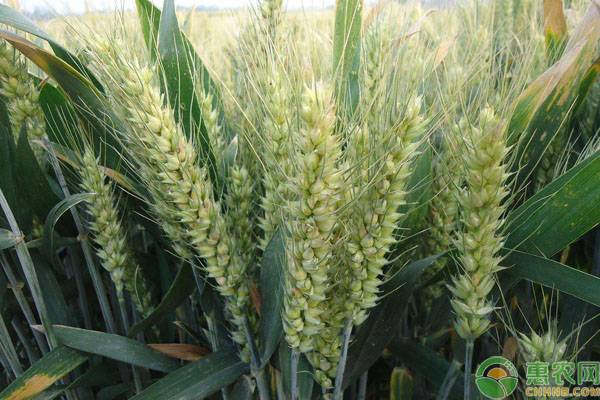
1. Why does wheat fail to head out? 1. Temperature. After wheat turns green again, it quickly enters a stage of rapid growth. Especially from the heading stage to the booting stage, this is the critical period for wheat node elongation, leaf extension and young ear differentiation, and the temperature at this time is very important. Under normal conditions, when the temperature is not less than 16 degrees, wheat booting will proceed normally. If during this stage the local area encounters continuous cooling and rainy weather, for example when the temperature remains below 6 degrees for a long time, the young ears cannot differentiate normally, and afterward they cannot head out normally either. 2. Variety. Seeds of different varieties have different characteristics. Some varieties have good disease resistance but are not resistant to lodging; some have good cold resistance but may have poor disease resistance; some are not cold-tolerant, but their other resistances are good. If the cold resistance of the variety itself is very weak, when it encounters the above-mentioned cooling, booting cannot proceed, and failure to head out will occur. Of course, if seeds unsuitable for local planting are purchased, or if fake seeds are purchased, failure to head out will also occur.
2. Can wheat that does not head out still be saved? Whether wheat that does not head out can be saved mainly depends on how large the area of non-heading is. If only a small part of a wheat field has not headed out, accounting for less than 30%, potassium dihydrogen phosphate + brassinolide + boron fertilizer can be sprayed to alleviate it, to promote wheat growth and increase the grain weight of wheat that has already headed out. In addition, “one spray, three preventions” measures need to be done well to reduce losses to a minimum. If the area of non-heading in a wheat field is too large, and most of the field shows no heading, then destroy the field as early as possible, and then rotate to spring crops, such as spring corn, spring soybeans, spring peanuts or other crops, so as to reduce losses. Under normal circumstances, most wheat can be seen by mid-April whether it will head out, and this stage is also the sowing period for spring crops, so planting will not be delayed.
The above are the reasons why wheat fails to head out and the preventive measures. The reasons why wheat fails to head out are mainly caused by cooling and variety. For situations occurring in a small area, the variety factor should mainly be considered; for situations occurring in a large area, the weather factor should mainly be considered.