Symptoms, Causes and Control Methods of Blossom-End Rot in Tomatoes
Tomato blossom-end rot, also known as bottom rot or stem-end rot, and commonly called black plaster, is a non-parasitic disease of tomatoes. It occurs widely in open-field cultivation and greenhouse planting in China, and mostly develops on large fruits during the late fruiting stage. Nowadays, tomato blossom-end rot is becoming more and more common, causing great harm to the yield and quality of many tomatoes. Below, the editor will talk about the symptoms, causes and control methods of tomato blossom-end rot. Let us take a look.
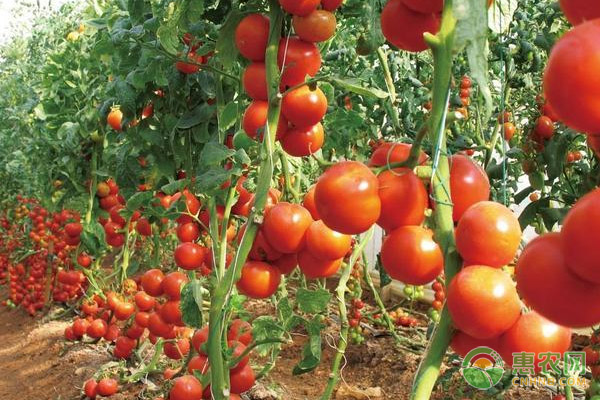
I. Symptoms of tomato blossom-end rot
On young and green tomato fruits, the blossom end develops water-soaked, dark green lesions, which gradually turn dark brown or black. In severe cases, the lesions expand to cover half of the fruit surface, and the flesh of the diseased part collapses and shrinks. Under humid conditions, the diseased tissue is parasitized by fungi, producing black or red mold-like substances.
II. Causes of tomato blossom-end rot
1. The plant has sufficient water for a period of time and grows vigorously. If the soil moisture suddenly changes and water shortage occurs, the blossom end of the green fruit loses a large amount of water, causing tissue shrinkage.
2. The plant lacks calcium during the whole growth and development process, causing physiological disorder of the cells at the blossom end, resulting in blossom-end rot.
III. Control methods for tomato blossom-end rot
1. Improve tomato cultivation techniques. Using plastic film mulching for planting can increase soil temperature, promote root growth, and enhance the water absorption capacity of the plant. Apply organic fertilizer to improve the water storage capacity of the soil.
2. Apply calcium fertilizer. Before planting tomatoes, in acidic soil where blossom-end rot occurs severely, apply 50-75 kg of lime powder per mu, spread it evenly on the ground, and carry out plowing and harrowing to mix it into the soil. The effect is very obvious.
3. Carry out foliar fertilization. Spraying 1% calcium carbonate or 0.1% calcium chloride or Qifuling during the flowering stage can greatly improve the disease resistance of green fruits.
The above are the symptoms, causes and control methods of tomato blossom-end rot. At present, tomato blossom-end rot has occurred widely, causing great harm to tomato fruits, reducing the marketability of tomatoes, lowering tomato yield, and causing certain property losses to farmers. Growers must improve management and carry out timely prevention and control to avoid unnecessary losses.