What to do about potato virus disease? Causes and control methods
When growing potatoes, growers worry most about pests and diseases. Once they are not controlled in time, if they spread quickly, it will not only reduce yield but may even lead to total crop failure. Potato virus disease is one of the key diseases in current potato production and can occur severely in most potato-growing areas of China. Now we will introduce the causes and control methods of potato virus disease.
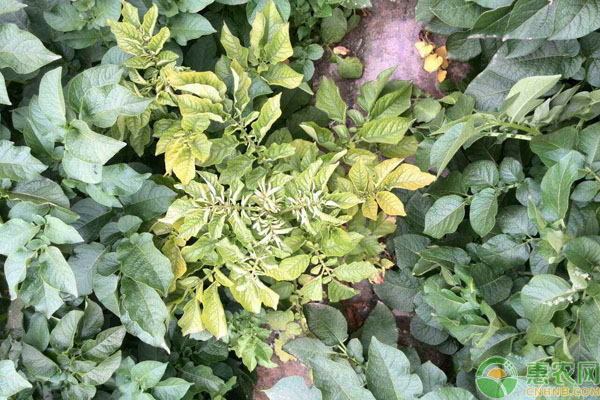
Causes of potato virus disease
Viral infection is the main cause of potato virus disease. The main ways viruses infect plants include contact transmission, transmission by insect vectors, transmission by seed potatoes and transmission through soil. Virus-carrying seed potatoes and wild hosts are the primary sources of initial infection, and aphids are the main agents of spread. In addition, rubbing, farm tools, humans and animals, and insects with chewing mouthparts can also transmit the virus. Poor cultivation techniques and large aphid populations lead to severe disease. In addition, variety disease resistance and planting measures also affect the degree to which this disease occurs.
Control methods for potato virus disease
1. Virus-free seed potatoes
Before planting potatoes, the selection and testing of potato seed must be strictly carried out according to requirements to prevent virus-carrying potato seed from appearing among them. Only by completely eliminating pathogens can the harm caused by virus disease to the growth of potato plants be prevented.
2. Planting management methods
Use high ridges and sunken furrows, apply fertilizer according to the formula, carry out shallow irrigation, promptly earth up and pull out diseased plants, spray chemicals to control aphids, and clear weeds to slow the onset of disease. It is best to choose a plot with no nearby pollution sources, high and dry flat terrain, fertile soil, rich organic matter and good irrigation as the production site.
3. Planting methods
In single-crop regions, implement summer sowing so that tubers form in the cool and humid season and resistance to viruses is improved. In double-crop regions, use mature varieties in spring, grow with plastic film mulching, sow early and harvest early, and in autumn sow appropriately late and harvest early to slow the onset of disease.
4. Aphid control
Potato virus disease is mainly spread by aphids and planthoppers. Before aphids and planthoppers migrate, timely control with 25% buprofezin water-dispersible granules or 5% acetamiprid emulsifiable concentrate can achieve significant results
5. Chemical control
For chemical control of potato virus disease, per mu use 20 ml of 2% ningnanmycin powder, or 10 ml of 5% amino-oligosaccharin powder, or 100 g of 30% dufulin wettable powder, add 30 kg of water and spray for control. For fields with severe disease, spray once more after an interval of 5-7 days. It is best to alternate the above chemicals.
Potato virus disease generally reduces yield by 20%-50%, and in severe cases can reduce yield by more than 80%. Potato farmers should pay great attention to this. When growing potatoes, we can follow the above methods to effectively control potato virus disease.