What is wheat take-all disease? Learn how to reduce the chances of infection
Wheat is a very important crop in our country, and it is also a grain crop grown over a very wide total area in our country. Especially in many rural areas in the north, basically every household plants some wheat to make steamed buns and mantou. However, wheat also has relatively many diseases and pests, especially one disease called wheat black foot disease, which some people also call wheat take-all disease. This disease gives many wheat growers endless headaches, so how should it be prevented and controlled? The editor will talk with everyone about its prevention and control methods.
1. What is wheat black foot disease?
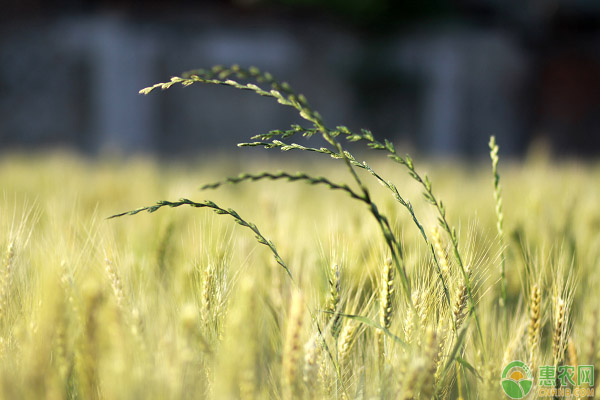
Wheat black foot disease is a destructive disease in wheat production. After wheat is infected, heading decreases, the rate of productive ears decreases, and the seedling survival rate decreases. In mild cases, yield is reduced by 10%-20%; in severe cases, yield is reduced by more than 50%, or even total crop failure. Wheat can be damaged throughout the entire growth period, but it is most severely damaged at the seedling stage and when seedlings are 15cm tall.
2. What causes wheat black foot disease?
The occurrence and severity of the disease are affected by many factors. Continuous cropping and repeated cropping cause severe disease; soil that is sandy, well aerated, and slightly alkaline causes severe disease; soil lacking fertilizer causes severe disease; rainy springs and high soil moisture are conducive to disease occurrence. Once wheat has the disease, applying pesticide for control has very poor results. The best method for preventing and controlling wheat black foot disease is to use a chemical seed treatment before wheat planting. It is economically reasonable and convenient to carry out.
3. How can the probability of wheat black foot disease occurring be reduced?
According to production experiments, use 20 ml of 12.5% quintozen per mu; in severely affected fields, the dosage can be increased to 30 ml. Add 500-700 ml of water, mix evenly, and then treat 10 kg of wheat seed; alternatively, use 15-20 ml of 4.8% silthiofam with 500 ml of water to treat 10 kg of wheat seed. Stir thoroughly and evenly, pile and cover for 6-12 hours, then dry and plant. Using the above chemical seed treatments can all have a very good preventive effect, and the probability of wheat being infected by black foot disease is significantly reduced.
It seems that to completely cure wheat black foot disease, you still have to start with prevention methods and begin prevention and control when treating wheat seed. This is also the most effective and most convenient approach.