What is rice premature senescence? Causes and prevention measures explained
Among new planting projects, rice is one that cannot be left out. Rice is an indispensable crop, in huge daily demand, and many people grow it. But throughout the rice growing process, all kinds of problems often appear, among which premature senescence is very common. This premature senescence mainly occurs in the middle and late stages of rice heading, and once premature senescence appears, yield is bound to suffer. So how do you prevent it? Let's take a look below.
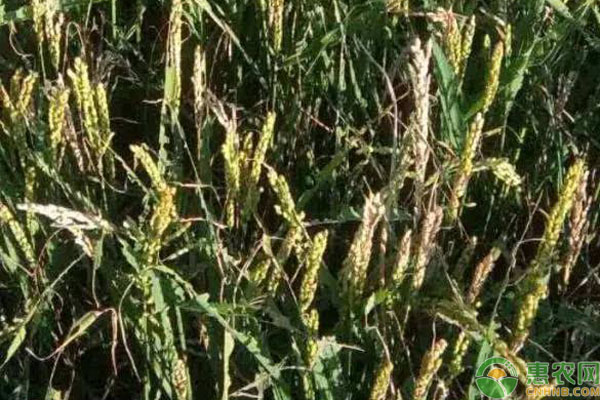
Key points of methods to prevent premature senescence in rice cultivation
1. Nutrients must be sufficient, and soil harmful substances must be eliminated
Rice needs sufficient nutrients as it grows; if nutrients are insufficient, premature senescence is very likely to appear. This is mainly because the soil lacks a certain element, so when fertilizing you must apply enough and also keep the fertilizer concentration under control. In addition, if there are too many harmful substances in the soil, the rice roots will be damaged, and in serious cases will turn black or rot, so the rice cannot grow normally and premature senescence appears. Therefore when planting rice you should choose the soil best suited to it and remove all the harmful substances in it.
2. Planting time and density must be well controlled
The occurrence of premature senescence is directly related to the planting process. If the weather turns suddenly sunny after rain, the soil easily forms hard clods, so the rice roots cannot breathe well, their vitality becomes weaker and weaker, and the roots are damaged, causing premature senescence. If, when planting, you control the density very high in order to increase sales, the rice also cannot grow normally, the nutrients they absorb will be insufficient, and premature senescence easily occurs.
3. Temperature and sunlight during the rice grain-filling stage
The whole rice growing process must be managed reasonably and effectively. If the rice is left with too much water for a long time, or if the water is withdrawn too early at harvest, premature senescence easily results. In addition, the temperature and sunlight during rice grain filling are also closely related. If the temperature is below five or six degrees, it will cause the color of the rice to change, mainly because these rice varieties cannot resist the cold, and thus premature senescence appears.
4. Soil is very important for preventing premature senescence in rice
If you want to prevent premature senescence in rice, you must choose the soil best suited to it. If you encounter soil with poor aeration, you can improve it. When plowing, apply enough base fertilizer to ensure the soil's organic matter. When planting, control the density well, and do not cause yourself greater losses by excessively pursuing yield.
The above is a detailed introduction to premature senescence in rice. In order to prevent premature senescence in rice, you must be clear about this related knowledge, and at the same time you must prevent it when planting, carefully manage the rice, and make sure every stage is done properly, so that premature senescence in rice can be prevented.