Wheat Management Techniques: How to Properly Apply the Freezing Water to Wheat?
How to properly apply the freezing water to wheat? As soon as winter arrives, friends growing wheat particularly want to ask this question. Why is applying the freezing water to wheat so important? Because only by applying the freezing water before the soil freezes can the wheat safely overwinter. However, many farmer friends often fail to judge properly regarding seedling condition and timing, so they also do not know exactly how to properly apply such important freezing water to wheat. Today Huinong Xiaoquan will tell everyone how to properly apply the freezing water to wheat.
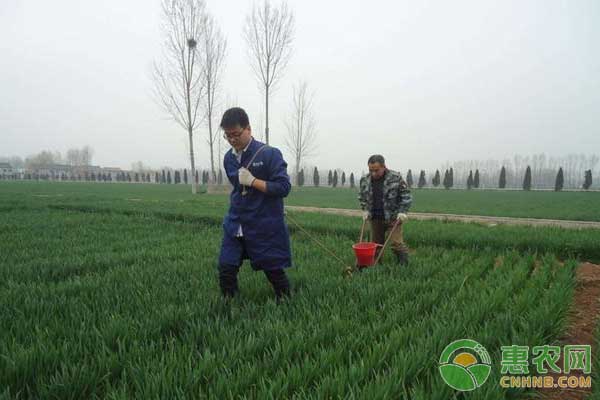
Sister Liu from the same village planted 17 mu of wheat in 2020, and the wheat's seedling condition and soil moisture were both fairly good. She was thinking about how to properly apply the freezing water, strengthen management, and let the wheat overwinter safely. This lays a good foundation for next year's high yield.
Applying freezing water to wheat is a technique that should be adapted to local conditions and flexibly controlled according to seedling condition and soil moisture. Wheat with relatively good seedling condition and relatively good tillage quality does not necessarily have to be given freezing water. If the wheat seedling condition is not good and the wheat field was not pressed after sowing, freezing water must be applied. There is also another case: when straw utilization is not done well, freezing water must also be applied.
Applying freezing water to wheat can effectively increase soil temperature, prevent wheat from suffering cold damage in winter and dying seedlings, and allow safe overwintering. Applying freezing water can settle the soil, prevent wind and air leakage, fill soil cracks, and kill underground overwintering pests. Applying freezing water to wheat helps nutrients dissolve and break down, and helps wheat maintain good soil moisture in early spring after the new year.
The time for applying freezing water is generally before Minor Cold, when it freezes at night and thaws during the day; this period is relatively good. However, this time is not unchangeable and should be flexibly controlled. For example, for wheat fields with poor tillage and sowing quality, relatively weak seedlings, relatively sparse seedlings, or some yellow seedlings due to fertilizer deficiency, irrigation should be done as early as possible, along with topdressing a small amount of quick-acting nitrogen fertilizer and ammonium bicarbonate.