Is it better to sow peanuts in the shell or shelled? An analysis of the benefits of sowing in the shell
Most farmer friends grow peanuts. They can be eaten raw directly, or stir-fried, and they taste fragrant and crisp, making them a favorite ingredient for many people. Peanuts can be sown either shelled or in the shell. Which is better? What are the benefits of sowing peanuts in the shell? Friends who want to know should take a look below!
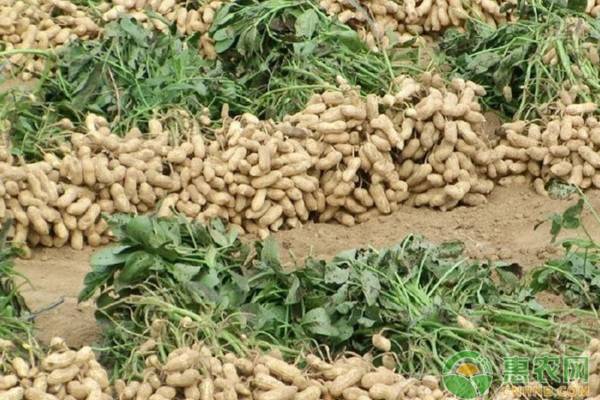
I. Is it better to sow peanuts in the shell or shelled? When it comes to whether growing peanuts shelled or unshelled is better, in fact this mainly depends on the local environment and climate. Under different environmental and climatic conditions, choosing different sowing methods for peanuts is more beneficial to their growth, and the ultimate goal is always to cultivate good peanuts with higher yield and better quality.
II. Benefits of sowing peanuts in the shell 1. Reduced labor. Sowing shelled certainly requires shelling first and then soaking, whereas sowing in the shell means soaking directly. Although a peanut is small, shelling it takes a lot of time. 2. Increased yield. Compared with shelled sowing, this can increase peanut yield by about 5%, which is quite noticeable. With today's ridge-style peanut sowing methods, sowing in the shell is becoming more and more suitable. 3. Reduced demand for organic fertilizer. This is self-evident. First of all, the peanut shell itself contains nitrogen, phosphorus, potassium and other nutrient elements essential for crop growth, so the demand for this kind of organic fertilizer can be directly reduced. When peanuts are sown in the shell, the shell itself can meet the nutrient requirements during the germination period, making it a good thing that kills two birds with one stone. 4. Reduced disease. This is also quite prominent. Compared with shelled sowing, sowing in the shell reduces the incidence of disease in peanuts by about 20% to 30%. This can directly reduce disease, thereby reducing the frequency of chemical fertilizer application, and ultimately peanuts can achieve high yields.
III. Common issues before sowing peanuts in the shell 1. Dry the peanuts in advance; the time generally recommended is 2 to 3 days; 2. Crack open the peanuts, the kind that are one by one and still in the shell; 3. When soaking, the temperature should be around 30° to 35°, and the time should be 24 hours. As for other later matters, they are generally basically the same as for shelled sowing in terms of management methods.
From the above, we can understand that whether it is better to sow peanuts in the shell or shelled mainly depends on the local environment and temperature. Some areas are suitable for sowing in the shell, while others are more suitable for shelled sowing. However, sowing peanuts in the shell still has quite a few benefits. It can not only increase yield, but also reduce the demand for organic fertilizer and alleviate disease.